Fatty Liver and Liver Cancer: Is There a Connection?
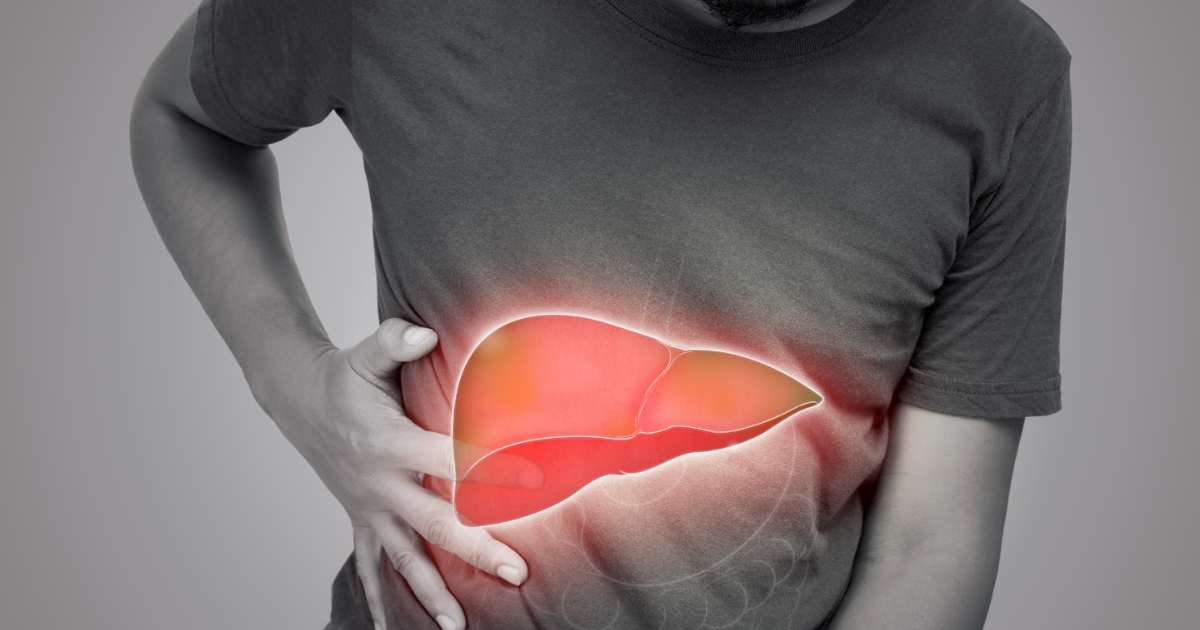
Fatty liver is often dismissed as a minor, manageable condition. Most people who receive this diagnosis are told to eat better and lose weight, and many assume that is the end of it. But fatty liver disease, if left unmanaged, follows a progression that can, over years, lead to liver cancer.
In India, fatty liver disease affects approximately 120 million people, between 16% and 32% of the population, making it one of the most common chronic conditions in the country. And in a significant shift, recent data from the National Cancer Registry Programme now identifies fatty liver disease as an emerging leading cause of liver cancer in India, overtaking hepatitis B in several regions.
How Fatty Liver Becomes a Cancer Risk
Fatty liver disease, now more precisely called MASLD (metabolic-associated steatotic liver disease), is a spectrum of conditions that progress in stages.
| Stage | What is happening in the liver | Cancer risk |
|---|---|---|
| Simple fatty liver | Excess fat accumulates in liver cells, but no significant inflammation | Low |
| Liver inflammation (steatohepatitis) | Fat causes inflammation and early cell damage | Moderate and rising |
| Fibrosis | Scar tissue begins to form as damage accumulates | Higher |
| Cirrhosis | Extensive scarring replaces healthy liver tissue | Significantly elevated |
| Liver cancer (HCC) | Abnormal cells develop within the damaged liver | Endpoint of unmanaged progression |
Research from IJMR confirms that 3% to 15% of people with liver inflammation progress to cirrhosis, and 4% to 27% of those with cirrhosis go on to develop hepatocellular carcinoma (HCC), the most common form of primary liver cancer.
Importantly, liver cancer can also develop in people with fatty liver disease before cirrhosis fully develops. This makes detection harder, as both patients and doctors may not expect liver cancer at an earlier stage of disease.
Why does this progression happen?
Excess fat in the liver triggers chronic inflammation. Over time, this inflammation damages liver cells and disrupts normal cell repair processes. The repeated cycle of damage and attempted repair increases the risk of abnormal cell growth. Conditions that accelerate this process include obesity, type 2 diabetes, high cholesterol, and metabolic syndrome, all of which are rising sharply in urban India.
Liver Cancer Symptoms: What to Watch For
Liver cancer rarely causes obvious symptoms in its early stages. When symptoms do appear, they often indicate that the disease has already progressed.
Symptoms that warrant prompt medical evaluation:
- Persistent pain or discomfort in the upper right side of the abdomen
- Unexplained weight loss of 4 to 5 kg or more over a short period
- Loss of appetite, often described as feeling full very quickly
- Nausea or vomiting without an obvious cause
- Yellowing of the skin or whites of the eyes, known as jaundice
- Swelling or bloating in the abdomen, caused by fluid accumulation
- Unusual fatigue or weakness that does not improve with rest
- Pale or chalky stools alongside dark-coloured urine
People with known fatty liver disease, cirrhosis, or a history of hepatitis B or C should be aware that these symptoms require evaluation without delay, not self-monitoring at home.
Who in India Is Most at Risk?
A 2024 updated review of liver cancer epidemiology in India, published in the Journal of Clinical and Experimental Hepatology using NCRP and Global Burden of Disease data, identified several high-risk groups and patterns.
| Risk Factor | Relevance in India |
|---|---|
| Obesity and type 2 diabetes | Both are rising sharply in urban India and directly accelerate fatty liver progression. |
| Fatty liver disease (MASLD) | Now an emerging leading cause of liver cancer, replacing hepatitis B in several Indian states. |
| Alcohol-related liver disease | Consistently among the top causes of cirrhosis-related liver cancer. |
| Hepatitis B or C infection | Historically the leading cause, now declining due to vaccination but still significant. |
| Male sex | Men have higher incidence and mortality rates for liver cancer in India. |
| Geography | Northeastern states have historically had higher rates; Western states, including Gujarat, Maharashtra, and Kerala, are emerging as new hotspots. |
What You Can Do to Protect Your Liver
Address the root causes of fatty liver:
- Reach and maintain a healthy body weight, even a 5% to 10% reduction in body weight can significantly reduce liver fat
- Manage blood sugar levels actively if you have diabetes or prediabetes
- Reduce intake of refined carbohydrates, sugary drinks, fried foods, and ultra-processed snacks
- Limit or avoid alcohol entirely, especially with any existing liver disease
- Aim for at least 150 minutes of moderate physical activity per week
Know your liver’s health status:
- People with known fatty liver disease should have an abdominal ultrasound and liver function blood tests at least once a year
- If liver scarring has been identified, a specialist may recommend a liver stiffness test (FibroScan) to track progression
- Anyone with cirrhosis should receive surveillance ultrasound every six months, as recommended by gastroenterology guidelines, to detect early changes
Get vaccinated:
- The hepatitis B vaccine is available in India and provides strong protection against one of the leading infectious causes of liver cancer
A Quick Reference Summary
Lorem ipsum dolor sit amet, consectetur adipiscing elit. Ut elit tellus, luctus nec ullamcorper mattis, pulvinar dapibus leo.
| Area | Key Point |
|---|---|
| Fatty liver prevalence in India | 16% to 32% of the population, approximately 120 million people. |
| How it connects to liver cancer | Fat causes inflammation, then scarring, then cancer risk over years. |
| Most overlooked fact | Liver cancer can develop before full cirrhosis in fatty liver patients. |
| Most effective prevention step | Weight loss of 5% to 10% significantly reduces liver fat and inflammation. |
| Screening recommendation | Annual ultrasound for known fatty liver; every 6 months for cirrhosis. |
Fatty liver disease is common, and in most cases it is manageable. The risk of liver cancer is real but not inevitable. The path from fatty liver to liver cancer typically takes years and passes through stages that can be detected, slowed, and in some cases reversed with the right intervention.
If you have been diagnosed with fatty liver disease, have diabetes or obesity, or have not had your liver health assessed in the last year, speak with a gastroenterologist or hepatologist at Omega Hospitals. Early evaluation, a personalised management plan, and the right surveillance schedule can make a significant difference to your long-term liver health.