

Is Every Breast Lump Cancer?
You feel a lump in your breast.
What is the first thought that comes to your mind? “Could this be cancer?”
It’s a common fear, but a breast lump does not always mean breast cancer. In fact, many breast lumps are caused by non-cancerous conditions such as hormonal changes, fibroadenoma, or a breast cyst.
The challenge is that you cannot always tell the difference just by feeling the lump. Some harmless lumps may feel firm, while some breast cancers may initially cause very subtle changes. That is why the right approach is not to panic, or to ignore it, but to understand what could be causing the lump and when it needs medical evaluation.
What Can Cause a Breast Lump?
Breast tissue naturally changes throughout a woman’s life and can also vary during the menstrual cycle. Some common causes of a breast lump include:
Fibroadenoma
A fibroadenoma is a common benign breast tumour, particularly among younger women. It may feel firm, smooth and movable under the skin. Fibroadenomas are usually not cancerous, although a doctor may recommend imaging or monitoring depending on their size, appearance and other factors.
Breast Cyst
A breast cyst is a fluid-filled sac within the breast. Cysts may become tender or more noticeable around menstruation. Some can disappear on their own, while others may require drainage if they are large or uncomfortable.
Hormonal Changes
Changes in hormone levels can make breast tissue feel swollen, tender or lumpy. These changes may occur during the menstrual cycle, pregnancy, breastfeeding or menopause.
Breast Infection
Infections such as mastitis can cause a painful lump, swelling, redness and sometimes fever. Breast infections are more common during breastfeeding but can occur in other situations as well.
Other benign conditions can also cause breast lumps. The appearance or feel of a lump alone cannot reliably determine whether it is cancerous.
What Breast Cancer Symptoms Should You Watch For?
Although a lump is one possible sign of breast cancer, breast cancer can cause several other changes. Important breast cancer symptoms can include:
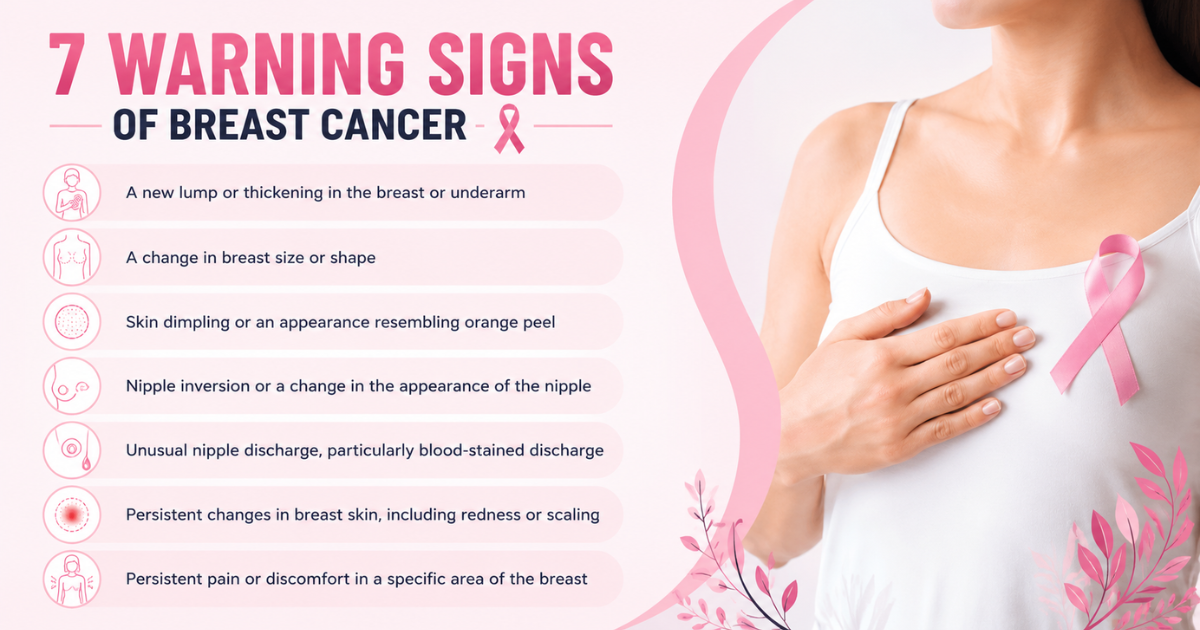
These symptoms do not necessarily mean cancer. However, if a change is new, persistent or unusual for you, it should be assessed by a healthcare professional.
Who May Have a Higher Risk of Breast Cancer?
Breast cancer risk can be influenced by several factors. These include increasing age, a family history of breast or ovarian cancer, certain inherited genetic changes, previous chest radiation exposure, hormonal and reproductive factors, alcohol consumption, excess body weight after menopause and some lifestyle factors.
Having one or more risk factors does not mean that a person will develop breast cancer. Similarly, breast cancer can occur in people without obvious risk factors.
This is why appropriate breast screening and awareness of changes in your breasts remain important.
When Should You See a Doctor for a Breast Lump?
A new breast lump should be evaluated, particularly if it does not disappear after your menstrual period or is associated with other breast changes.
- A new or persistent lump
- A lump that is becoming larger
- A hard or irregular area that feels different from surrounding tissue
- Changes in the nipple or breast skin
- Unusual nipple discharge
- A lump in the underarm
- Persistent breast changes that are not normal for you
It is better to have a benign lump evaluated and receive reassurance than to delay assessment because of fear.
How Is a Breast Lump Diagnosed?
Breast lump diagnosis usually begins with a clinical breast examination. A doctor, often a breast surgeon or another appropriately trained specialist, will assess the lump and ask about your symptoms, medical history and family history.
Depending on your age, symptoms and examination findings, imaging may be recommended.
Mammogram
A mammogram uses low-dose X-rays to examine breast tissue and can identify suspicious areas that may not be easily felt during an examination.
Breast Ultrasound
A breast ultrasound uses sound waves to examine breast tissue. It can help determine whether a lump is solid or fluid-filled and is particularly useful for evaluating specific areas of concern.
In some situations, both mammography and ultrasound may be recommended. If imaging shows a suspicious area, a biopsy may be advised. During a biopsy, a small tissue sample is removed and examined under a microscope to determine whether cancer cells are present.
Importantly, not every breast lump requires a biopsy or surgery. The appropriate next step depends on the clinical and imaging findings.
What Treatment Is Available?
Treatment depends entirely on the cause of the lump.
Benign conditions such as some fibroadenomas or cysts may only require observation and follow-up. A painful cyst may sometimes be drained. Infections may require appropriate medication and medical care.
If a biopsy confirms breast cancer, treatment is planned according to the type and stage of cancer. Depending on the individual case, treatment may include surgery, radiation therapy, chemotherapy, hormone therapy, targeted therapy or immunotherapy.
A multidisciplinary cancer team can bring together specialists such as breast surgeons, medical oncologists, radiation oncologists, radiologists and pathologists to develop an individualized treatment plan.
Can Breast Lumps Be Prevented?
Not all breast lumps can be prevented because many are related to hormonal or other biological changes. However, maintaining a healthy lifestyle can support overall breast health.

Regular breast awareness is also important. This does not mean repeatedly checking your breasts for cancer or performing a specific self-examination technique. Rather, it means becoming familiar with how your breasts normally look and feel so that you can notice meaningful changes.
Why Early Evaluation Matters
The biggest mistake is assuming that a breast lump is either definitely cancer or definitely harmless. Both assumptions can be risky.
Most breast lumps are not cancer, but some cancers can initially appear as a painless lump or subtle breast change. Early medical evaluation can help identify benign conditions, provide reassurance and, when cancer is present, support timely diagnosis and treatment.
Conclusion
Breast cancer care requires more than just treating the disease, it involves early detection, accurate diagnosis, personalized treatment, and continued support. At the Breast Clinic at Omega Hospitals, patients have access to comprehensive breast care, including advanced diagnostic facilities such as digital mammography, 3D mammography, breast ultrasound, MRI, and image-guided biopsies.
For patients diagnosed with breast cancer, Omega Hospitals offers a multidisciplinary approach, bringing together surgical oncology, medical oncology, radiation oncology, radiology, and pathology specialists. Depending on the type and stage of cancer, treatment options may include breast-conserving surgery, mastectomy, chemotherapy, targeted therapy, hormone therapy, and advanced radiation therapy.
With integrated facilities and coordinated care, Omega Hospitals aims to support patients through every stage, from screening and diagnosis to treatment and follow-up care. If you notice any unusual or persistent breast change, timely evaluation is important.