Ultra-Processed Foods and Cancer: What the Research Actually Shows
What Are Ultra-Processed Foods?
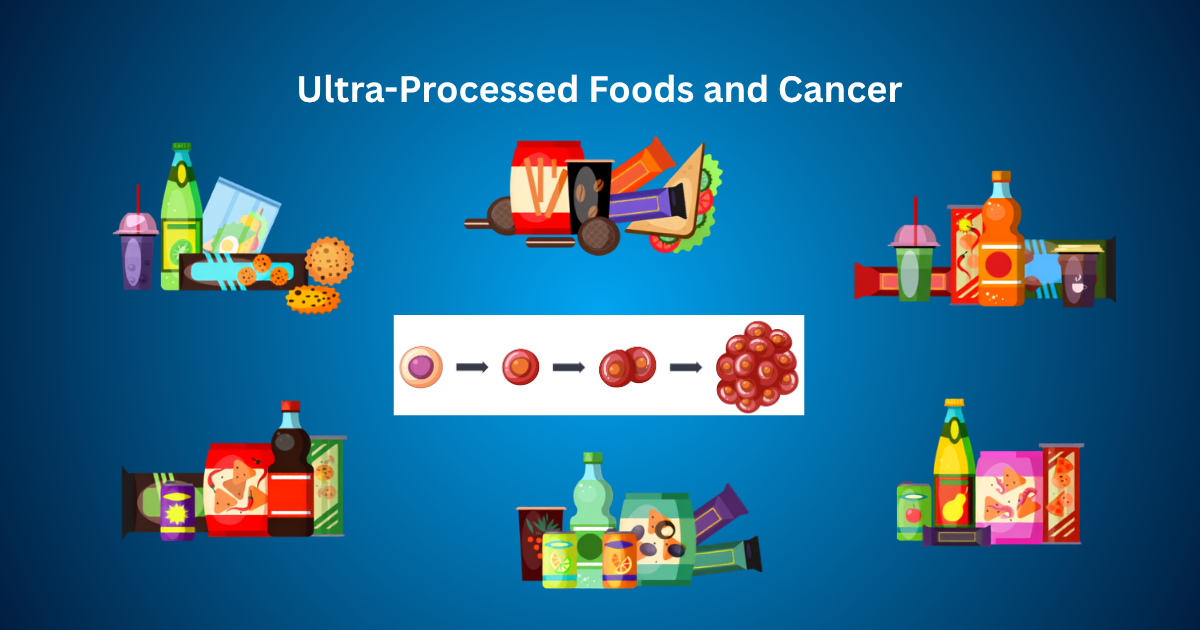
If you visit an Indian supermarket, school canteen, or city food court today, you’ll see shelves filled with packaged chips, instant noodles, flavoured drinks, ready-to-eat meals, and processed meats. These foods are now a regular part of daily diets in cities and are becoming more common in smaller towns too. Over the past decade, India’s ultra-processed food market has grown a lot, and so has the research linking these foods to long-term health problems, including cancer.
Not all processed food is the same. A system called the NOVA classification, developed by researchers at the University of São Paulo, categorises foods into four groups based on how much industrial processing they undergo.
| NOVA Group | Examples | Health Implication |
|---|---|---|
| Group 1: Unprocessed or minimally processed | Fresh fruits, vegetables, eggs, plain milk, plain rice, lentils | Foundation of a healthy diet |
| Group 2: Processed culinary ingredients | Oil, butter, sugar, salt, flour | Used in cooking, not consumed alone |
| Group 3: Processed foods | Canned vegetables, cheese, salted nuts, preserved fish | Generally acceptable in moderation |
| Group 4: Ultra-processed foods (UPFs) | Packaged chips, instant noodles, carbonated drinks, processed meats, flavoured yoghurts, biscuits, breakfast cereals, fast food | Associated with increased chronic disease risk |
What the Research Shows About Ultra-Processed Foods and Cancer
The evidence connecting ultra-processed food consumption and cancer risk has grown substantially over the past five years. In a scoping review conducted in 2025, 23 publications from 2010 to 2025 – 15 of the studies established a significant connection between high consumption of ultra-processed foods and the development of cancer.
Key findings by cancer type:
| Cancer Type | Key Research Finding | Source |
|---|---|---|
| Ovarian cancer | 30% higher risk in highest ultra-processed food consumers vs. lowest | UK Biobank study, EClinicalMedicine, 2023 |
| Brain cancer | 15% higher risk associated with higher UPF intake | UK Biobank study, EClinicalMedicine, 2023 |
| Colorectal cancer | Higher UPF intake associated with increased colorectal and rectal cancer risk | American Journal of Gastroenterology meta-analysis, June 2024 |
| Liver cancer | Higher ultra-processed food intake associated with elevated liver cancer risk | Clinical Nutrition prospective cohort, October 2024 |
| Breast cancer | Elevated risk in postmenopausal women with high UPF consumption | Multiple European cohort analyses |
| All cancers combined | 10% higher overall cancer risk per 10% increase in UPF share of diet | UK Biobank cohort, 197,000 adults |
How does consumption of UPF increase cancer risk?
Obesity: Obesity is a proven risk factor for more than 13 types of cancer, such as breast, endometrial, colorectal, kidney, and liver cancer.
Chronic inflammation: Additives, emulsifiers, and highly processed ingredients present in UPFs lead to disruption of the microbiome and low-grade systemic inflammation, which is one of the mechanisms promoting cancer cell proliferation
Endocrine disruption: Some food packaging materials and additives, like some preservatives and artificial sweeteners, interact with hormonal systems, and their involvement in hormone-related cancers is under investigation
Specific carcinogens: The World Health Organization’s International Agency for Research on Cancer classifies processed meats as group 1 carcinogens, which means there is conclusive evidence of the role of these products in the development of colorectal cancer. Products containing nitrates and nitrites, used in processed meats during the curing process, affect the formation of cancer-inducing substances in the human body during digestion.
Displacement of protective foods: A diet rich in ultra-processed foods reduces the proportion of fiber, antioxidants, and phytochemicals from natural foods.
The India-Specific Picture
India’s regulatory environment for ultra-processed foods is the subject of active policy debates. According to a 2024 report in the Preventive Medicine Reports journal, 56% of Indian children aged 5–19 already show cardiometabolic risk factors due in part to the rapid rise of ultra-processed snacks and beverages in schools and home settings.
The Indian Council of Medical Research has identified the growing consumption of fat- and sodium-rich processed foods as a driver of disease, including cancer.
A Cancer-Protective Diet: What to Eat More of
Cancer prevention guidelines from the World Cancer Research Fund and ICMR consistently point toward the same broad pattern: a diet built around whole, minimally processed foods.
Eat more:
- Fresh and cooked vegetables and fruits daily, particularly those rich in colour and fibre
- Dal, rajma, chana, and other legumes, which are high in fibre and associated with lower colorectal cancer risk
- Whole grains including whole wheat, oats, and brown rice in place of refined flour products
- Nuts and seeds in small daily amounts
- Fermented foods including curd, buttermilk, and kanji, which support gut microbiome diversity
Reduce or limit:
- Processed and cured meats, even in small amounts, as no safe threshold has been established for colorectal cancer risk
- Sugary drinks and packaged fruit juices
- Packaged fried snacks and instant noodles consumed regularly
- Packaged baked goods, biscuits, and ready-to-eat meals as daily staples