Can Air Pollution Increase Lung Cancer Risk? A Delhi Winter Reflection
A recent visit to Delhi stayed with me for a reason I had not expected. Winter was just beginning to set in, but the cold was not what caught my attention first. It was the air.
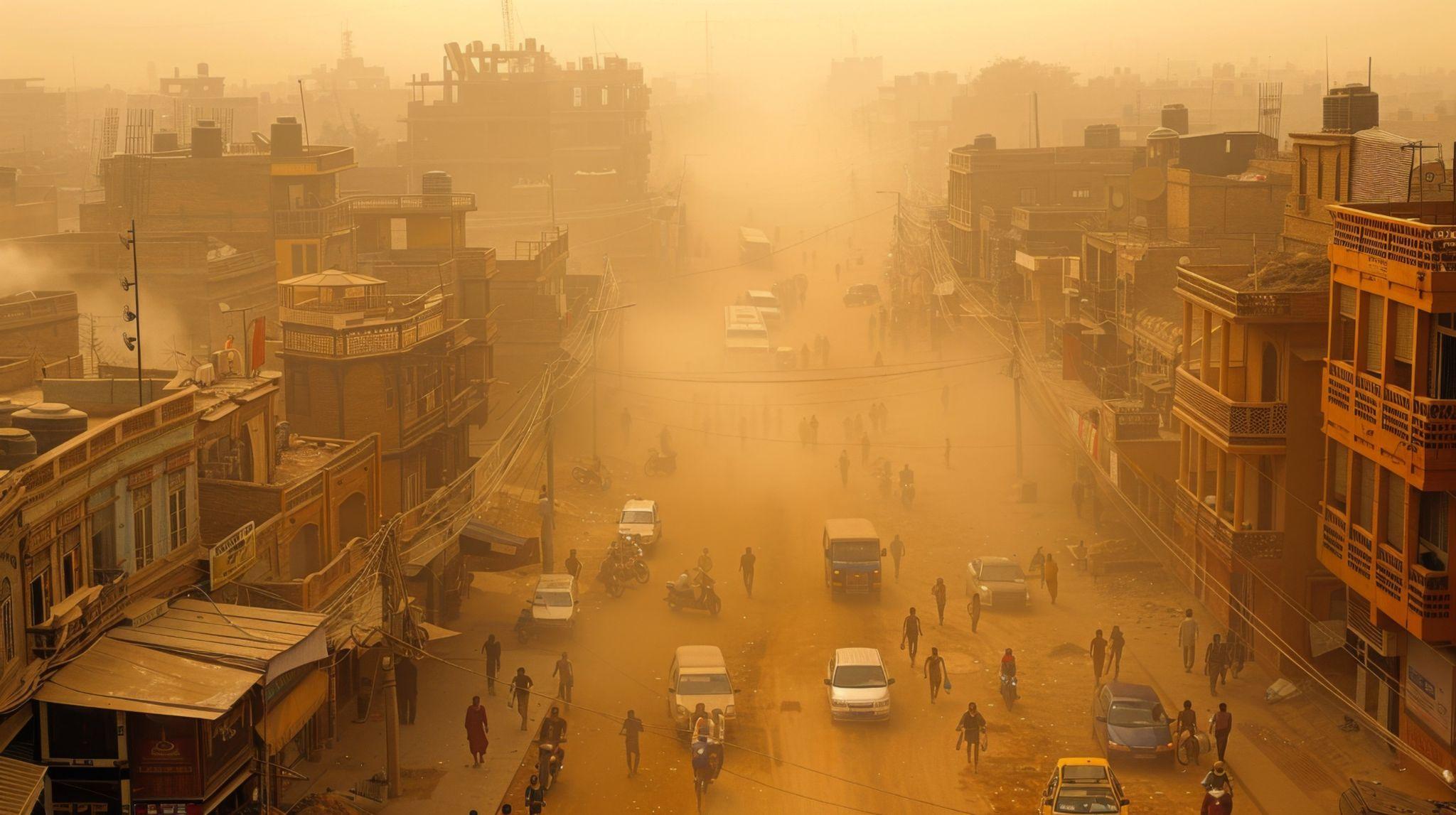
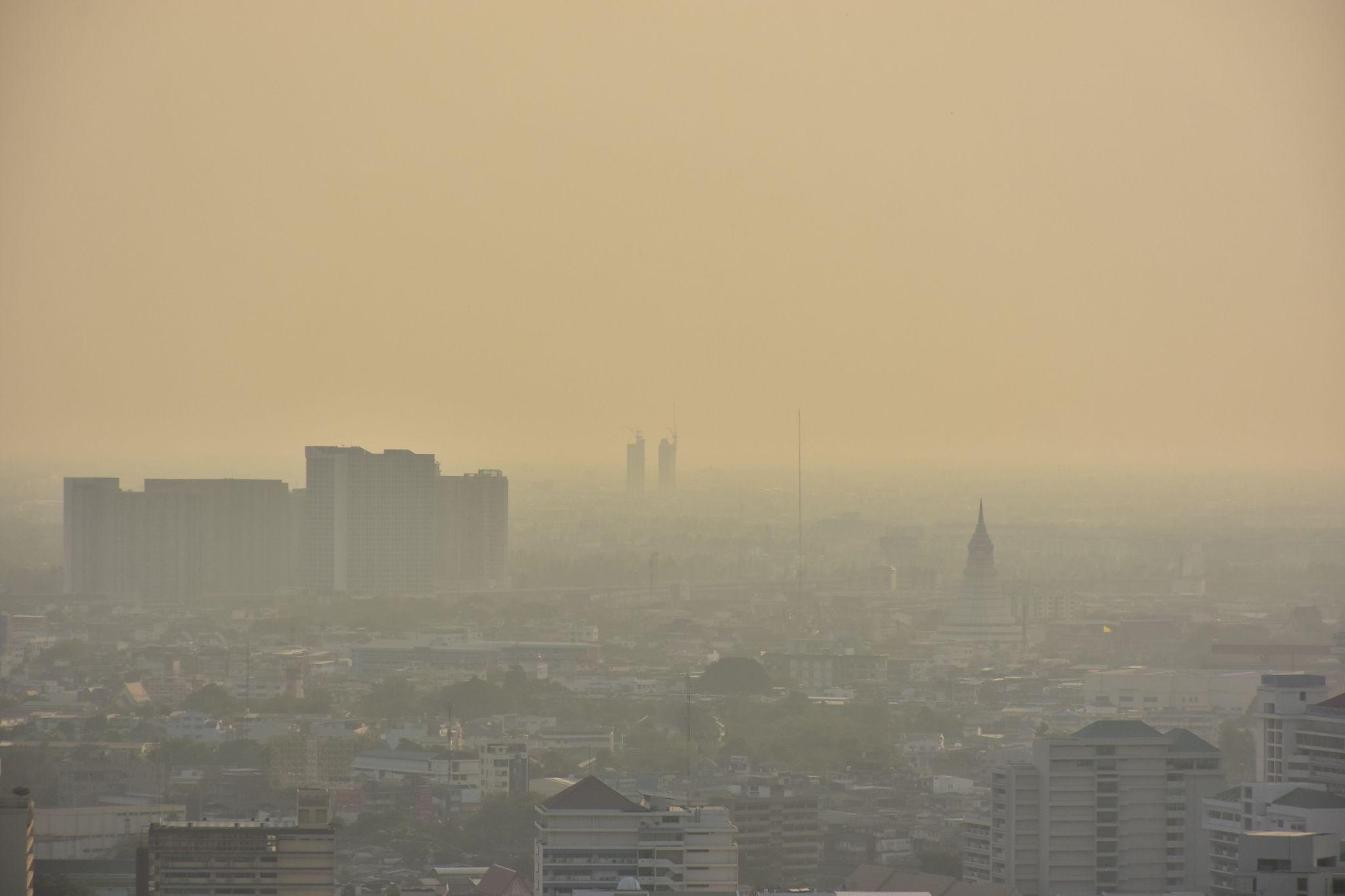
There was a grey layer over the city. Buildings at a distance looked blurred, the sunlight appeared weaker, and even during the day there was a sense that the air was heavier than it should be. Like many people now do, I checked the AQI on my phone. The number was high enough to make me uncomfortable, not just as a visitor, but as someone who has spent many years treating cancer.
Delhi’s air quality generally worsens as winter approaches. Government data from 2025 showed that the city’s average AQI rose from 105 in September to 223 in October and then to 354 in November. The annual average PM2.5 level was around 96 micrograms per cubic metre, far above the World Health Organization guideline of 5 micrograms per cubic metre for annual exposure.
Why does winter make things worse? Pollution is present throughout the year—from vehicle exhaust, construction dust, industries, waste burning and other sources—but colder weather changes how that pollution behaves. Wind speeds fall, the atmosphere becomes more stable, and pollutants remain trapped closer to the ground. What we finally see as haze is actually a mixture of particles and gases that millions of people are breathing every day.
When we speak about lung cancer, however, we must begin with the most important fact. Smoking remains the leading cause.
Around 85% of lung cancers worldwide are linked to tobacco smoking. Cigarettes expose lung tissue repeatedly to carcinogenic chemicals, and that exposure continues to damage cells for years. If there is one clear message in lung cancer prevention, it is this: do not start smoking, and if you already smoke, stopping is still worthwhile. The body begins to benefit after quitting, and the risk of several smoking-related diseases gradually falls over time.
Second-hand smoke matters too. A person may never smoke and still spend years breathing cigarette smoke at home, at work or in social settings. Keeping homes and workplaces smoke-free is one of the simplest ways to protect the people around us.
But smoking does not explain every lung cancer.
That is becoming increasingly important for patients and families to understand.
In oncology practice, we meet men and women who have never smoked and yet are diagnosed with lung cancer. One of the first questions is often, “How can this happen to me? I have never touched a cigarette.”
Sometimes there is an identifiable risk factor. Sometimes there is not.
Lung cancer in non-smokers can be associated with second-hand smoke, occupational exposure, radon, indoor pollution, outdoor air pollution, genetic changes and other biological factors that we are still studying. Research suggests that a significant proportion of lung cancers globally occur in people who have never smoked, and this group includes many women and people from Asian populations.
There are even rare reports of lung cancer in teenagers. Cases have been documented in patients as young as 15. These are exceptionally uncommon, and it would be wrong to suggest that air pollution alone caused those cancers. But such cases remind us of something important: lung cancer is not exclusively a smoker’s disease.
This is where the discussion around air pollution and lung cancer becomes relevant.
One of the biggest concerns is PM2.5; particles so small that they can travel deep into the lungs. With repeated exposure, they lead to chronic inflammation, oxidative stress and cellular injury. Over many years, these changes may increase the probability of abnormal cells developing into cancer.
The International Agency for Research on Cancer has classified outdoor air pollution as carcinogenic to humans. Particulate matter in polluted outdoor air is also considered carcinogenic, with sufficient evidence linking long-term exposure to lung cancer.
That does not mean that stepping outside on a day when the AQI is 400 will suddenly cause cancer. Cancer does not develop that way. The concern is cumulative exposure. A child growing up in polluted air, an adult spending years commuting through heavy traffic, or a worker repeatedly exposed to smoke and fine particles may be breathing that mixture for thousands of days over a lifetime.
We cannot stop breathing, and most people cannot simply leave a city because the air is poor. But exposure can still be reduced.
Check the AQI before going for a long walk or outdoor workout. On very poor or severe pollution days, avoid strenuous exercise near heavy traffic. A properly fitted N95 mask can reduce exposure to fine particles when outdoor pollution is high. At home, reduce smoke from cooking, tobacco, incense and other combustion sources, and improve ventilation or air filtration where practical.
Most importantly, do not ignore persistent symptoms because you are a non-smoker. A cough that does not settle, blood in sputum, persistent breathlessness, unexplained chest discomfort, repeated chest infections or unexplained weight loss deserves medical evaluation.
As I travelled through Delhi that day, I kept watching ordinary life continue through the haze—children going to school, people walking to work, families waiting at traffic signals. Nobody can choose not to breathe.
We spend a great deal of time thinking about what is in our food and water. Perhaps we need to think just as seriously about what is in our air.
Smoking remains the biggest preventable cause of lung cancer, and quitting tobacco must remain our first priority. But cleaner air is also part of cancer prevention.
Air pollution and lung cancer should not become a reason for fear. They should become a reason for action.
Because protecting the lungs should begin many years before anyone needs to meet an oncologist.
— Dr. Mohana Vamsy