Gut Health and Digestive Cancer Risk: What the Latest Research Reveals
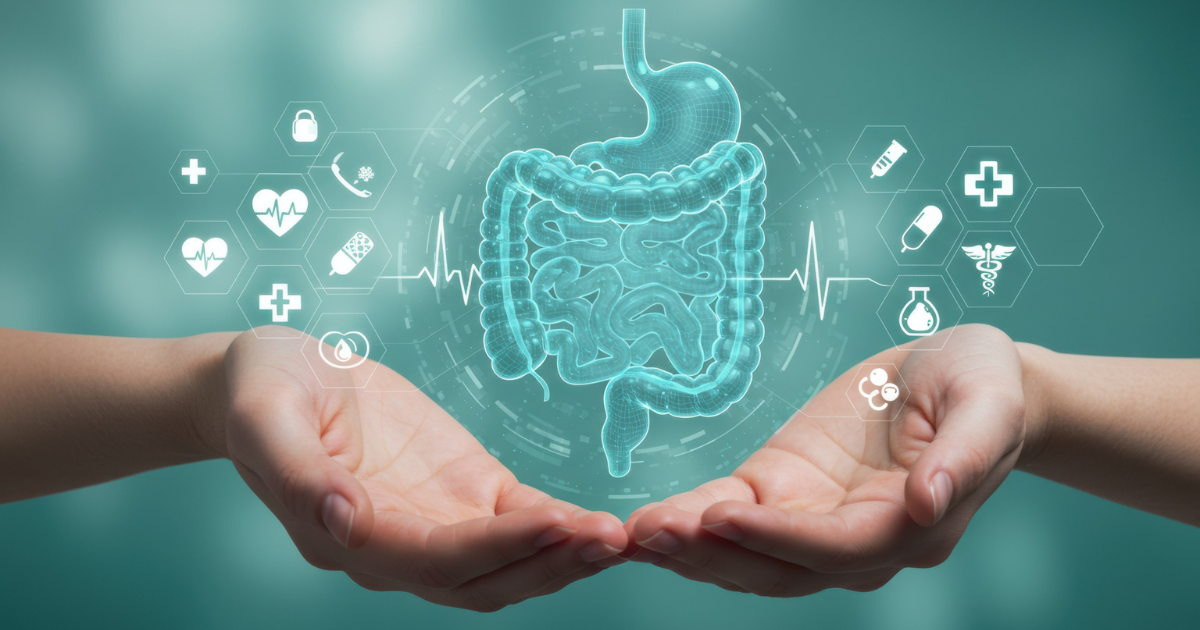 India has one of the lowest rates of colorectal cancer in the world. That is genuinely good news. At the same time, new data shows that this number is moving in the wrong direction, and it is doing so quietly. Understanding what drives this shift, and what you can do about it, is the purpose of this article.
Where India Stands Today: The Numbers in Context
Colorectal cancer (cancer of the colon and rectum) is currently the fourth most common cancer in India, according to GLOBOCAN 2022 data published in the Indian Journal of Gastroenterology (2025).
| What the data shows | Figure | Source |
|---|---|---|
| New colorectal cancer cases in India (2022) | 64,863 | GLOBOCAN 2022 |
| Deaths attributed to colorectal cancer (2022) | 38,367 | GLOBOCAN 2022 |
| Rise in incidence across Indian registries (2004 to 2014) | 20% increase | Journal of Clinical Oncology, 2020 |
| Share of new cases in adults under 39 | Nearly 1 in 3 | Eastern India registry data, 2022 |
| Urban vs rural incidence (e.g., Mumbai vs Barshi) | 2x higher in urban areas | Cancer Incidence in Five Continents XII |
| Eligible Indians who actually completed colonoscopy screening | Only 7.14% | South Asian Journal of Cancer, 2024 |
The most important trend in this data is not the overall number, which remains lower than in Western countries. It is the speed of increase, and the fact that it is concentrated in two specific groups: urban residents and younger adults.
Cities like Mumbai, Chennai, Chandigarh, and Bengaluru consistently report higher rates than rural areas in the same regions. Researchers link this to the shift away from traditional fibre-rich diets toward processed foods, irregular eating patterns, reduced physical activity, and higher rates of obesity and diabetes, all of which are known to affect gut health.
The Gut Microbiome and Cancer: How They Are Connected
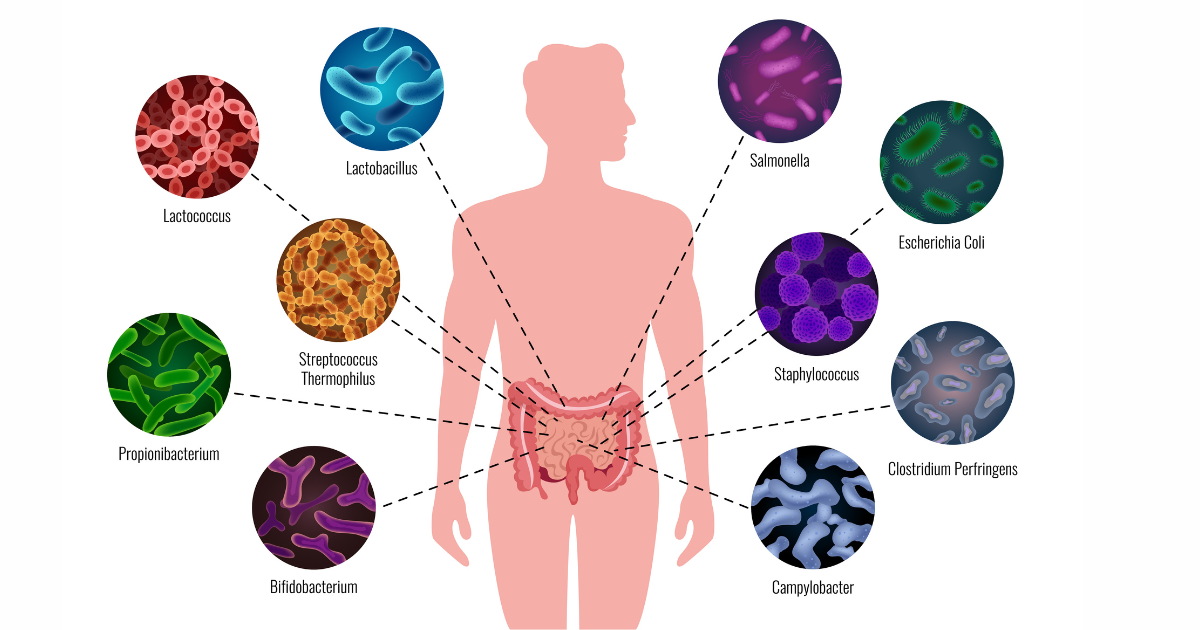
Your gut is home to trillions of microorganisms, collectively called the gut microbiome. This community plays a direct role in regulating inflammation, supporting immune function, and influencing how your cells behave over time.
When the balance of bacteria in the gut is disrupted, it creates conditions that can, over time, contribute to cancer development.
 Symptoms Worth Paying Attention To
Most colorectal cancers grow slowly and produce no symptoms in the early stages. When symptoms do appear, they are easy to attribute to more common causes, such as acidity, irritable bowel, or stress.
This delay in seeking advice is one reason many Indian patients are diagnosed at a later stage.
Speak with a doctor if any of the following last more than two to three weeks:
- Blood in the stool, whether bright red or darker in colour
- A change in bowel habits, including loose stools, constipation, or thinner stools than usual
- Persistent abdominal discomfort, gas, or cramping that does not resolve
- A feeling that the bowel has not emptied completely after a visit to the toilet
- Unexplained weight loss of 4 to 5 kg or more, without dietary changes
- Ongoing fatigue or weakness, particularly if linked to low haemoglobin (anaemia)
Common Myths About Gut Health and Cancer
Misinformation about digestive health is widespread. These are the misconceptions that most often delay care.
Myth 1: “Colorectal cancer only affects older people.”
Fact: Indian data shows nearly one-third of new colorectal cancer cases occur in adults under 39.
Myth 2: “If I had cancer, I would know. The symptoms would be obvious.”
Fact: Early colorectal cancer frequently causes no symptoms at all. Symptoms, when they do appear, often mimic common digestive complaints. This is precisely why screening matters.
Myth 3: “Eating curd and taking probiotics is enough to protect my gut.”
Fact: Fermented foods like curd and buttermilk support gut health and are encouraged as part of a balanced diet. However, they are not a substitute for medical screening or treatment. Probiotics support the microbiome; they do not reverse or prevent cancer on their own.
Myth 4: “A vegetarian diet fully protects against digestive cancer.”
Fact: A plant-based diet that is high in fibre is genuinely protective. However, a vegetarian diet that relies heavily on refined carbohydrates, fried foods, and processed snacks does not offer the same benefits. Diet quality, not just food category, is what matters.
Practical Steps to Support Gut Health
These recommendations are supported by current research and are suitable for most healthy adults.
 Eat more fibre from whole food sources
- Aim for 25 to 38 grams of fibre daily
- Dal, rajma, chana, whole wheat roti, oats, and fresh vegetables are reliable sources
- Traditional fermented foods such as curd, idli, dosa, kanji, and buttermilk support beneficial bacteria
Reduce foods associated with a higher risk
- The WHO classifies processed meats (sausages, packaged cold cuts) as a confirmed cause of colorectal cancer
- Limit red meat, fried foods, and refined-carbohydrate snacks
- Keep alcohol intake low, as it is independently linked to colorectal and liver cancer risk
Maintain a healthy body weight. Obesity and type 2 diabetes are both associated with higher colorectal cancer risk and are increasingly prevalent in urban India.
Talk to your doctor about screening
- If you are 40 or older, or younger with a family history of colorectal or stomach cancer, ask about appropriate screening options
- Colonoscopy remains the most reliable screening tool and can detect and remove pre-cancerous growths in the same procedure
- Stool-based tests offer a less invasive first step and are increasingly available in India
A Practical Summary
| Area | Key point |
|---|---|
| Who is most at risk in India | Urban residents, adults over 40, those with a family history, and those with high-risk diets |
| Most overlooked symptoms | Persistent change in bowel habits, unexplained anaemia, and blood in stool |
| The most common reason for late diagnosis | Symptoms dismissed as routine digestive complaints |
| Most protective dietary habits | High-fibre traditional foods, fermented foods, low processed meat |
| The biggest gap in India | Only 7.14% of eligible individuals complete recommended colonoscopy screening |
This article is for educational purposes only and does not substitute for professional medical advice. Please consult a qualified healthcare provider for personal health guidance.