
Why Are Young Indians Getting Cancer? Causes, Symptoms, Myths, and Early Detection
Cancer has long been considered a health concern that comes with older age. That assumption no longer holds up against the data.
Across India, cancer cases among adolescents and young adults, defined as the 15 to 39 age group, are being diagnosed in growing numbers, often at more advanced stages, and increasingly in people with no obvious family history or known risk factors.
Understanding why this is happening, and what can be done about it, is both practical and timely.
India’s Data on Early-Onset Cancer: What the Numbers Show
India’s National Cancer Registry Programme (NCRP) and ICMR have been tracking cancer trends across age groups for decades. The data for young adults tells a clear and consistent story.
| Metric | Data | Source |
|---|---|---|
| Projected AYA (age 15–39) cancer cases in India by 2025 | 1,78,617 | National Cancer Registry Programme, India |
| Total cancer cases in India in 2024 | 15.6 lakh (1.56 million) | ICMR, 43 Registry Analysis, 2024 |
| Lifetime cancer risk for Indians | 11% | ICMR, 2024 |
| Share of India’s cancer burden in under-50 age group | 1 in 3 cases | ICMR, compared to 1 in 2 globally |
| Men vs women among young adult cancer patients | 60% men, 40% women | IANS India survey, 2024 |
| Early-onset cancer deaths globally (1990 to 2019) | Increased by 28% | BMJ Oncology, 2024 |
Cancers That Are Most Common in Young Indian Adults.
Based on ICMR’s 2022 estimates and National Cancer Registry data, the leading cancer types in the 15 to 39-year age group in India are:
In young men (15 to 39 years)
- Mouth and tongue cancers (linked to tobacco and smokeless tobacco use)
- Non-Hodgkin lymphoma (cancer of the lymph system)
- Myeloid leukaemia (blood cancer)
- Colorectal cancer (rising in urban populations)
In young women (15 to 39 years)
- Breast cancer (27.3% of all female AYA cancers)
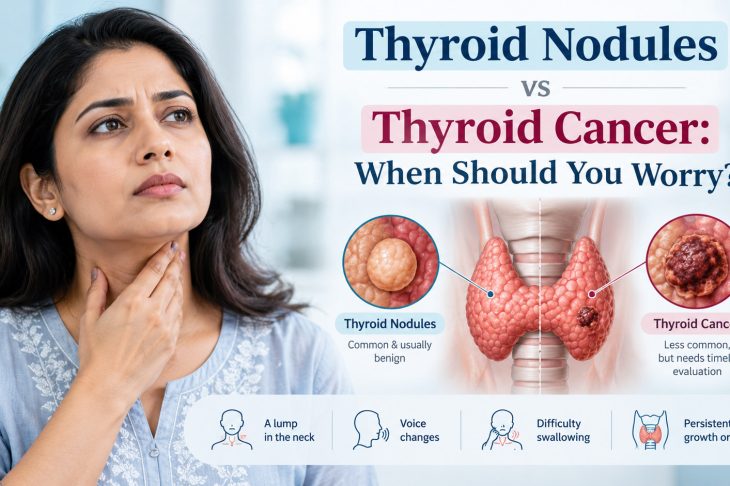
- Thyroid cancer (12.2%, and rising)
- Ovarian cancer (7.3%)
- Cervical cancer (7.1%)
The rise in breast cancer among women under 40 is of particular note. India now reports breast cancer as the leading cancer in women overall, and a significant share of these diagnoses are occurring in women well below the conventional screening age of 45 to 50.
Factors Driving the Rise in Early-Onset Cancer

Research from India and globally points to a consistent set of contributing factors. These are not single causes but interacting influences that accumulate over the years.
1. Ultra-processed food consumption
This is one of the most actively researched areas. A 2025 study published in Cancers (MDPI) found that ultra-processed foods (UPFs) introduce substances into the body that disrupt hormone regulation, increase chronic low-grade inflammation, and alter gut bacteria balance. All three of these processes are linked to cancer development.
2. Tobacco use in young adults
India has one of the largest populations of smokeless tobacco users in the world. Mouth, tongue, and throat cancers remain disproportionately common among young Indian men. Tobacco use at an early age compresses the timeline to cancer development.
3. Alcohol consumption
Alcohol is a Group 1 carcinogen. Among young urban Indians, alcohol consumption has increased notably over the past two decades. It is directly linked to cancers of the liver, mouth, throat, oesophagus, colorectum, and breast.
4. Obesity, diabetes, and physical inactivity
Excess body fat drives chronic inflammation. Obesity is linked to at least 13 types of cancer. India’s urban obesity rates have increased sharply, and the age of onset for type 2 diabetes is younger than in most countries.
5. Air and environmental pollution
India’s major cities consistently rank among the most polluted globally. Long-term exposure to air pollution increases lung cancer risk, and in Northeast India, where environmental and lifestyle factors combine, lifetime cancer risk reaches 21% in men and 18.9% in women, nearly double the national average (ICMR, 2024).
6. Delayed diagnosis, not just rising incidence
Research published in Frontiers in Medicine (2025) identified a pattern of diagnostic bias in younger patients: doctors are less likely to consider cancer when a patient is young, and younger patients are more likely to attribute symptoms to stress, lifestyle, or common infections.
Symptoms That Warrant a Medical Consultation
Because early-onset cancer is biologically different and often more aggressive than cancer in older adults, early consultation matters more, not less, for this age group.
General warning signs, regardless of age:
- An unexplained lump or swelling anywhere on the body
- Unexplained weight loss of 4 to 5 kg or more over a few weeks
- Persistent fatigue that does not improve with rest
- Fever or night sweats with no clear infection
- A change in a mole’s size, shape, or colour
Site-specific signs to discuss with a doctor:
- Breast: a new lump, a change in skin texture, or unexplained nipple discharge
- Mouth and throat: a sore or white patch that does not heal within two weeks, difficulty swallowing
- Colorectum: persistent change in bowel habits, blood in stool, unexplained abdominal discomfort
- Thyroid: a swelling or lump at the front of the neck, persistent hoarseness
- Blood cancers: easy bruising, frequent infections, painless swelling in the neck, armpit, or groin
What You Can Do: Prevention and Early Detection
 Reduce modifiable risks
- Replace ultra-processed snacks, instant noodles, packaged foods, and fried items with whole grains, fresh vegetables, dal, and fruits
- Avoid all forms of tobacco, including gutka, paan masala, and khaini
- Limit alcohol intake
- Aim for at least 30 minutes of physical activity on most days of the week
Know your body and its changes
- Conduct monthly self-breast examinations (women)
- Pay attention to new or persistent physical changes and do not normalise them
- Mention family history of any cancer to your doctor, even if it seems unrelated to your current concern
Get screened as appropriate
- Women aged 25 and above: discuss cervical cancer screening (PAP smear or HPV DNA test) with your doctor
- Women aged 30 and above, or those with a family history of breast cancer: ask about clinical breast examination and mammography
- Adults with a family history of colorectal cancer: ask about earlier colonoscopy screening
- All adults: a general health check that includes cancer-specific questions is reasonable from the age of 30 in urban settings
A Quick Reference Summary
| Factor | Key point |
|---|---|
| Most common cancers in young Indian men (15–39) | Mouth, tongue, NHL, leukaemia, colorectal |
| Most common cancers in young Indian women (15–39) | Breast, thyroid, ovarian, cervical |
| Top modifiable risk factor | Ultra-processed food, tobacco, alcohol, physical inactivity |
| Most common reason for late diagnosis | Cancer not considered because of patient’s young age |
| Biggest protective action | Not smoking or using tobacco, maintaining a healthy weight |
| Recommended from age 25 onwards | Cervical cancer screening for women |
| Recommended from age 30 onwards | Clinical breast examination, general health review with cancer risk assessment |
If you have noticed persistent symptoms, have a family history of cancer, or want to understand your personal risk better, schedule a consultation with your doctor or an oncologist. Timely advice is the most effective tool available.
This article is for educational purposes only and does not substitute professional medical advice. Please consult a qualified healthcare provider for personal health guidance.