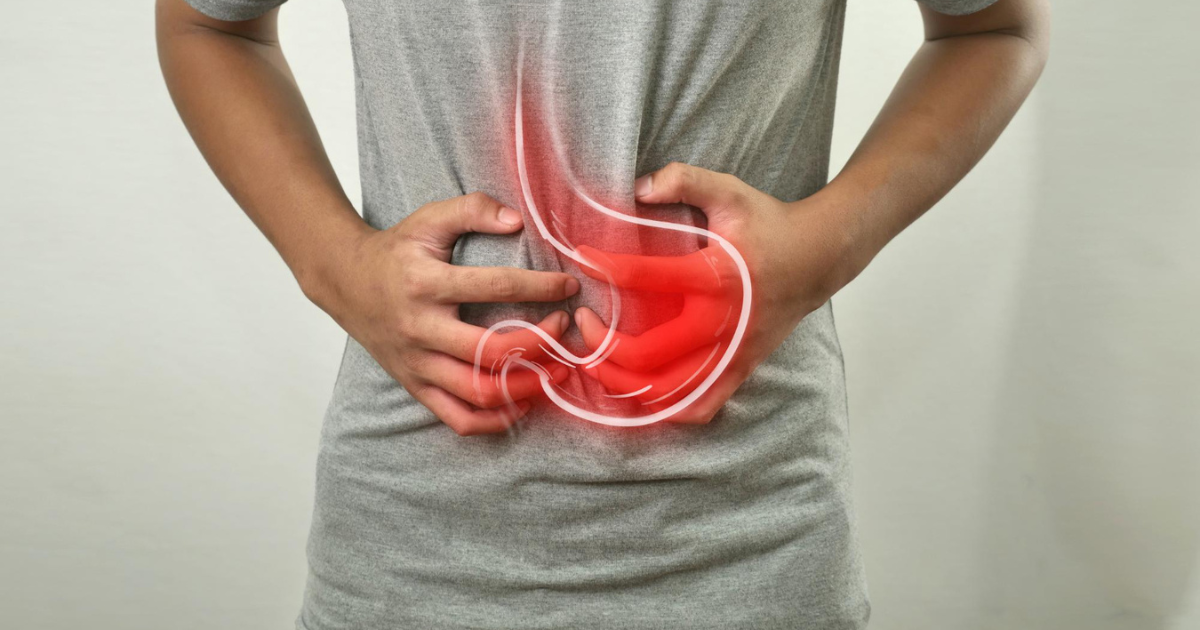
Stomach Cancer Symptoms, Causes, and Treatments: A Clear Guide
Stomach cancer rarely announces itself early. In most cases, the first noticeable symptoms appear only after the disease has progressed to a later stage, which is precisely why it accounts for a disproportionately high number of cancer-related deaths both in India and globally. The good news is that when stomach cancer is identified early, the chances of successful treatment improve significantly. Knowing what to look for is the first practical step.
Where India Stands: The Numbers in Context
Stomach cancer is the sixth most common cancer in India, accounting for 4.5% of all cancers in the country, according to GLOBOCAN 2022 data. Globally, it is the fifth most commonly diagnosed cancer, with nearly 9,68,350 new cases reported in 2022 alone.

| Metric | Data | Source |
|---|---|---|
| Global new stomach cancer cases (2022) | 9,68,350 | GLOBOCAN 2022 |
| India’s ranking among global cancer types | 6th most common | GLOBOCAN 2022 via Journal of Cancer Research & Therapeutics, 2024 |
| Share of total cancers in India | 4.5% | GLOBOCAN 2020 / NCRP India |
| The most common stage at diagnosis in India | Stage III (47.6% of cases) | Journal of Cancer Research and Therapeutics, 2024 (Eastern India audit) |
| Mean age at diagnosis in India | 58 years | Journal of Cancer Research and Therapeutics, 2024 |
| Male-to-female ratio in India | 70% male, 30% female | Eastern India registry audit, 2024 |
| Five-year survival rate, Stage 1 | 65% | Medical News Today, citing ACS data, 2025 |
| Five-year survival rate, advanced stage | Below 10% | GLOBOCAN / IARC |
(Source: Gastroenterology, Hepatology and Endoscopy Practice, 2024)
Early Signs of Stomach Cancer: What to Pay Attention To
Stomach cancer does not typically cause noticeable symptoms in its early stages. When early symptoms do appear, they closely resemble common digestive complaints such as acidity, gas, or indigestion. This overlap is one of the primary reasons patients delay seeking medical advice.
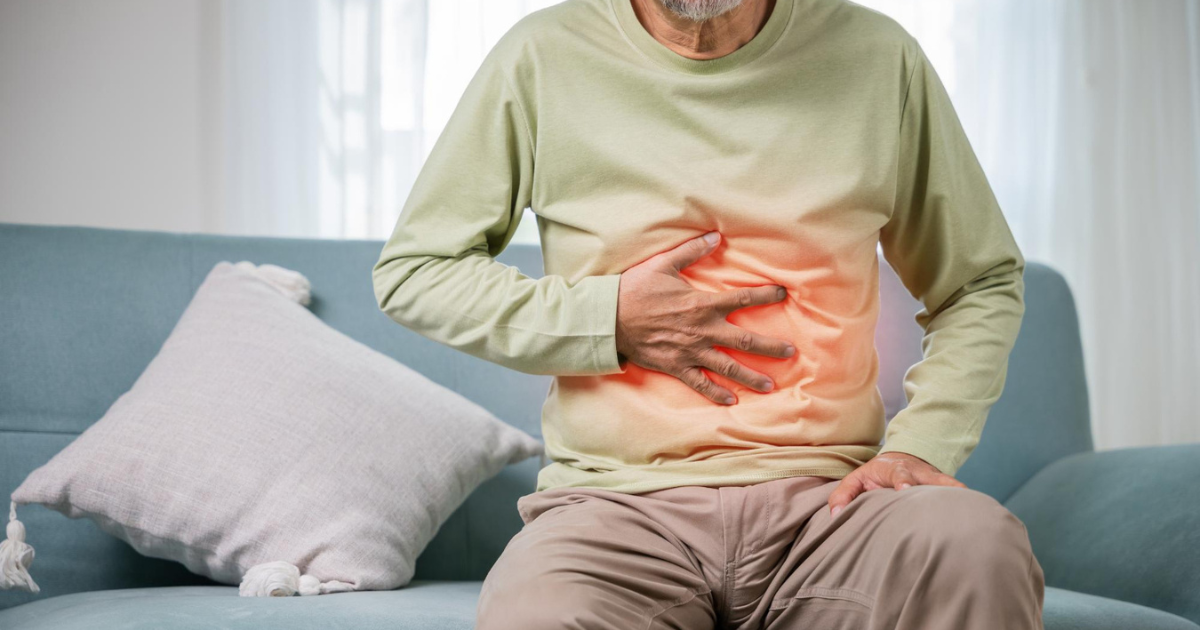 Early symptoms that warrant a doctor’s visit, particularly if they persist for more than two weeks:
- Persistent indigestion, bloating, or a burning sensation in the upper abdomen
- Feeling full quickly after eating, even after a small meal
- Mild nausea that does not resolve with usual remedies
- Loss of appetite without an obvious reason
- Frequent burping or unexplained acid reflux that is new or worsening
Symptoms that appear at a more advanced stage:
- Unexplained weight loss of 4 to 5 kg or more over a short period
- Dark, tarry, or blood-tinged stools
- Vomiting, with or without blood
- Difficulty swallowing, particularly if the cancer has grown toward the upper part of the stomach
- Swelling or a feeling of fullness in the abdomen, sometimes caused by fluid build-up
- Persistent fatigue or weakness, often linked to low haemoglobin (anaemia)
Important: None of these symptoms confirms stomach cancer on its own. Indigestion, nausea, and bloating are far more commonly caused by other digestive conditions. However, symptoms that are new, persistent, worsening, or accompanied by weight loss should always be evaluated by a doctor.
Who Is at Higher Risk? Key Risk Factors
Understanding what increases the risk of stomach cancer helps identify who should be more vigilant about symptoms.
The most well-established risk factors include:
H. pylori infection: This is the single most significant preventable cause of stomach cancer globally. H. pylori (Helicobacter pylori) is a bacterial infection that damages the stomach lining over time. Prevalence across India ranges from 49% to 83%, depending on the region, and is higher in areas with limited access to clean water and sanitation. The World Health Organization classifies H. pylori as a Group 1 carcinogen. Long-term, untreated infection significantly raises the risk of stomach cancer.
Diet
- High consumption of salted, smoked, or pickled foods is linked to an elevated risk
- Diets low in fresh fruits and vegetables reduce the protective effect of antioxidants on the stomach lining
- Dietary factors are attributed to 43.2% of colorectal cancer burden in India and contribute to gastric cancer risk as well (ICMR, NCRP India)
Tobacco and alcohol use
Tobacco use, including smokeless tobacco, which is prevalent across India, directly damages the stomach lining.
Age and sex
Most stomach cancer diagnoses in India occur in people aged 50 and above, with a mean age of 58. Men are diagnosed approximately twice as often as women.
Family history and specific genetic conditions
A first-degree family member with stomach cancer increases an individual’s risk. Conditions such as Lynch syndrome also raise the risk.
Obesity
Excess body weight is associated with cancers at the gastro-oesophageal junction, where the oesophagus meets the stomach.
Stomach Cancer Treatment Options: What Is Available

Treatment depends on the stage of the cancer, its location within the stomach, and the patient’s overall health. Most treatment plans today involve more than one approach.
| Treatment | When it is used | How it works |
|---|---|---|
| Surgery | Early and mid-stage cancer | Removes the tumour, part of the stomach, or, in some cases, the full stomach |
| Endoscopic removal | Very early-stage cancer | Removes tumour from the stomach lining without open surgery, shorter recovery |
| Chemotherapy | Before or after surgery, or for advanced cancer | Uses medicines to shrink tumours or destroy remaining cancer cells |
| Radiation therapy | Combined with chemotherapy in some cases | High-energy beams target and reduce cancer cells in a specific area |
| Targeted therapy | Cancers with specific markers (e.g., HER2-positive) | Medicines that attack specific features of cancer cells rather than all dividing cells |
| Immunotherapy | Advanced or metastatic stomach cancer | Helps the immune system identify and attack cancer cells more effectively |
| Palliative care | Any stage where a cure is not the goal | Focuses on managing symptoms, improving comfort, and quality of life |
Practical Steps: What You Can Do
Reduce your modifiable risk
- Get tested for H. pylori if you have frequent indigestion, a family history of stomach cancer, or live in a high-risk region. Treatment is straightforward and effective
- Reduce intake of salted, pickled, and smoked foods
- Eat more fresh vegetables and fruits daily, which are associated with a lower risk of stomach cancer
- Avoid tobacco in all forms, including gutka and paan masala
- Limit alcohol consumption
Stomach cancer is both detectable and treatable, and outcomes are significantly better when it is found early. Speak with a gastroenterologist or oncologist if you have been experiencing persistent digestive symptoms or have risk factors for stomach cancer.
At Omega Hospitals, a team of experienced oncologists and gastroenterologists offers comprehensive cancer care, from early diagnostic assessments to advanced, personalised treatment plans. An early consultation can meaningfully expand your treatment options and improve your outcomes. The sooner you seek an evaluation, the more choices you have.