HPV Vaccine In India: Your Complete Guide To Cervical Cancer Prevention
India reports more new cervical cancer cases and more cervical cancer deaths than any other country in the world. The reason this matters so much is simple. Cervical cancer is one of the most preventable cancers, and the tools to prevent it, vaccination and screening, already exist and are becoming more accessible across the country.
Cervical Cancer in India
| Metric | Data | Source |
|---|---|---|
| New cervical cancer cases in India (2022) | 1,27,526 | GLOBOCAN 2022 |
| Cervical cancer deaths in India (2022) | 79,906 | GLOBOCAN 2022 |
| India’s share of global cervical cancer deaths | Nearly 23% | AJTMH, 2025 |
| Ranking among cancers in Indian women | 2nd most common | JOGR, 2024 |
| Projected rise in deaths in India by 2040 | 61% increase | PMC, 2024 |
| India’s current screening rate | Approximately 2% | AJTMH, 2025 |
| HPV infections that clear naturally within 2 years | 91% | ScienceDirect, 2025 |
| High-risk HPV infections that progress to cancer | About 1% | ScienceDirect, 2025 |
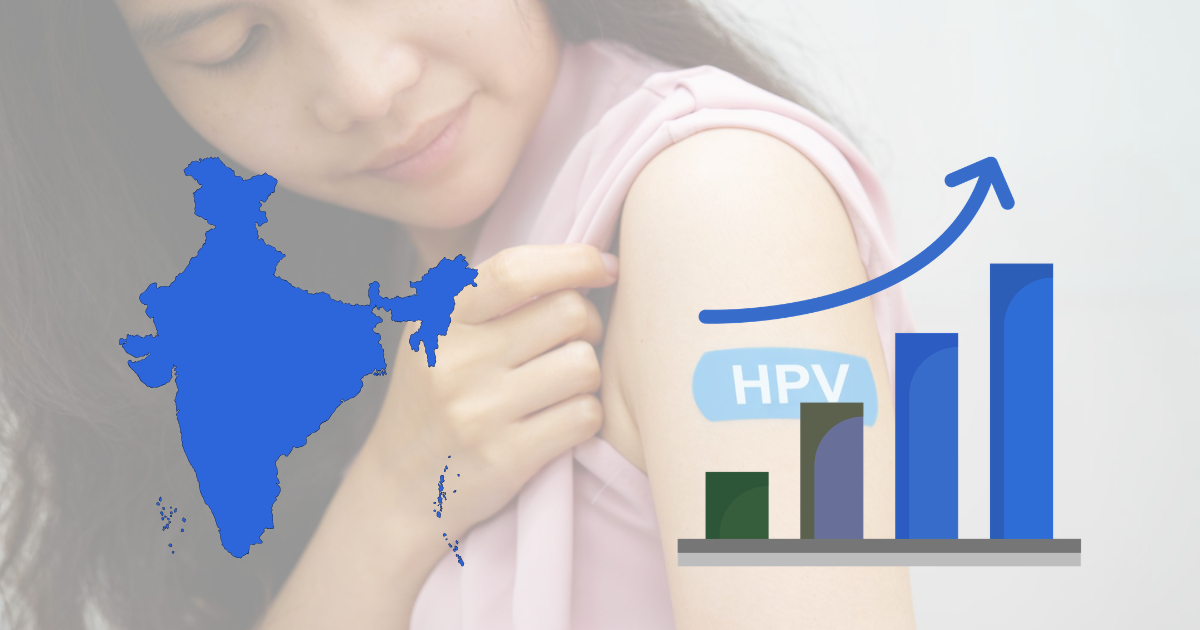
India’s screening rate of approximately 2% is notably lower than that of other developing countries, including Vietnam at 25% and Iran at over 50%. This gap, combined with historically low vaccine awareness, is a major reason cervical cancer remains such a significant burden here.
How the HPV Vaccine Prevents Cervical Cancer
Nearly all cervical cancer cases are caused by persistent infection with high-risk types of human papillomavirus, commonly known as HPV. This common virus spreads through skin-to-skin contact, and most sexually active people will be exposed to it at some point.
Here is what typically happens after exposure:
- Most HPV infections clear on their own within one to two years, without causing health problems
- A small percentage of high-risk infections persist and can cause abnormal cell changes in the cervix over several years
- Only a small fraction of these abnormal changes eventually progress to invasive cervical cancer if left undetected
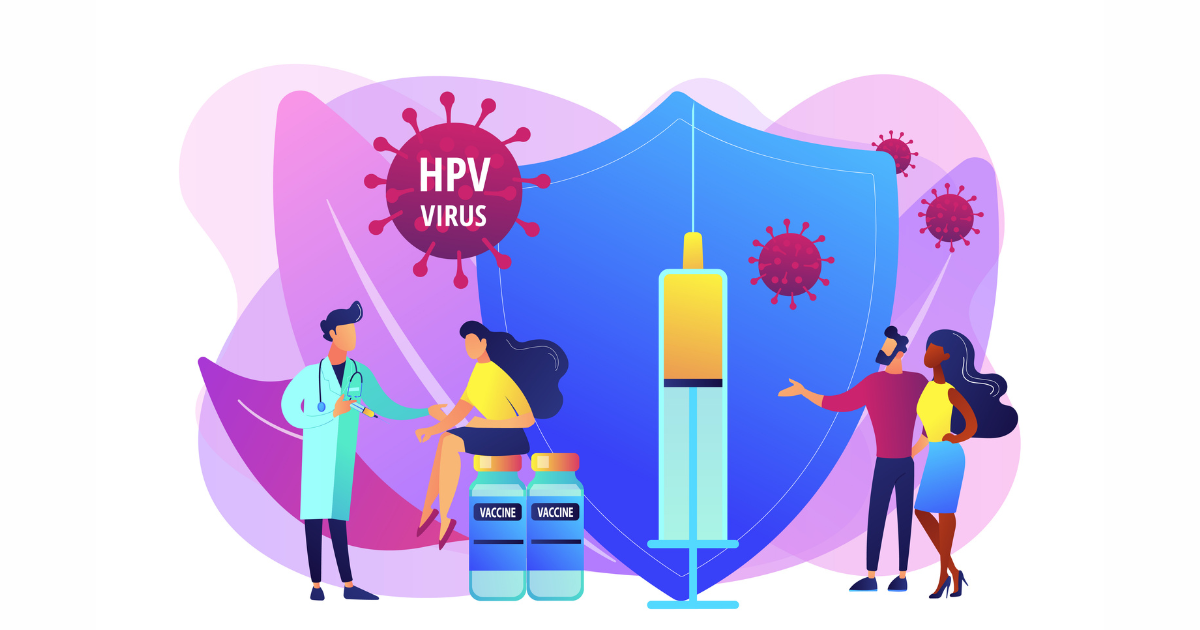
The HPV vaccine trains the immune system to recognise and fight off the HPV types most responsible for cervical cancer, primarily types 16 and 18, which together cause over 70% of cases in India. By preventing infection in the first place, the vaccine interrupts the entire chain of events that can eventually lead to cancer.
HPV Vaccines Available in India
| Vaccine | Protection |
|---|---|
| Cervavac (Serum Institute of India) | HPV 6, 11, 16, 18 |
| Gardasil 4 | HPV 6, 11, 16, 18 |
| Gardasil 9 | HPV 6, 11, 16, 18, 31, 33, 45, 52, 58 |
| Cervarix | HPV 16, 18 |
The vaccine works best before any HPV exposure, which is why it is primarily recommended for girls and boys aged 9 to 14. Catch-up vaccination is available up to age 45 with a doctor’s guidance, though protection is strongest when given early.
India’s National HPV Vaccination Programme
India has launched a national HPV vaccination effort for adolescent girls aged 9 to 14, aiming to vaccinate more than 10 million girls each year using a single-dose schedule, in line with World Health Organization evidence supporting strong protection from one dose in this age group.
Sikkim, one of the first Indian states to introduce the vaccine in 2016, offers an early success story. Vaccination coverage there exceeded 97% among adolescent girls, and a 2023 study published in The Lancet recorded a significant drop in HPV infection and early cervical lesions among those vaccinated. Since India accounts for nearly one-fifth of all cervical cancer cases worldwide, a successful national programme here could meaningfully reduce the global burden of this disease.
What You Can Do
- Parents of children aged 9 to 14: speak with a paediatrician about scheduling the HPV vaccine, available free or at low cost at many government health facilities
- Adults up to age 45: ask your doctor whether catch-up vaccination is appropriate for you
- Women aged 21 and above: begin regular cervical cancer screening through a Pap smear or HPV DNA test, and continue it even after vaccination
- Everyone: share accurate information with family members, especially where stigma or misinformation creates hesitation
Quick Reference Summary
| Area | Key point |
|---|---|
| India’s share of global cervical cancer deaths | Nearly 23% |
| Best age for vaccination | 9 to 14 years, before HPV exposure |
| Most affordable vaccine | Cervavac, ₹2,000 to ₹4,000 per dose privately |
| HPV types causing most cervical cancers | 16 and 18 |
| Catch-up vaccination limit | Up to age 45, with medical guidance |
| Screening recommendation | From age 21, continue even after vaccination |
Cervical cancer can be prevented almost entirely through a combination of vaccination and regular screening. India’s growing national vaccination effort, paired with more affordable vaccine options, marks a meaningful shift from treating advanced disease toward preventing it altogether.
If you have a child between the ages of 9 and 14, speak with a paediatrician at Omega Hospitals about scheduling the HPV vaccine. If you are a woman who has not yet started cervical cancer screening, the gynaecology team at Omega Hospitals can guide you through the right tests for your age and history. Prevention works best when it starts early.