PMOS Awareness Month 2026: Why PCOS Is Now Called Polyendocrine Metabolic Ovarian Syndrome
There is a particular conversation I have had with many young women over the years. They come into the clinic because their periods are irregular, they have noticed unwanted facial hair, they have gained weight or they have been trying to become pregnant, and somewhere along the way they have been told, “You have PCOS.”
For many of them, the diagnosis brings more questions than answers. Will I be able to have children? Why am I getting hair on my face? Why am I gaining weight when I am not eating that much? Will I have this problem for the rest of my life?
These questions are often accompanied by embarrassment. In our society, women are expected to look a certain way, have regular periods, marry at a certain age and have children when the family expects it. When something does not happen according to that expectation, women can end up blaming themselves for something that is actually a medical condition.
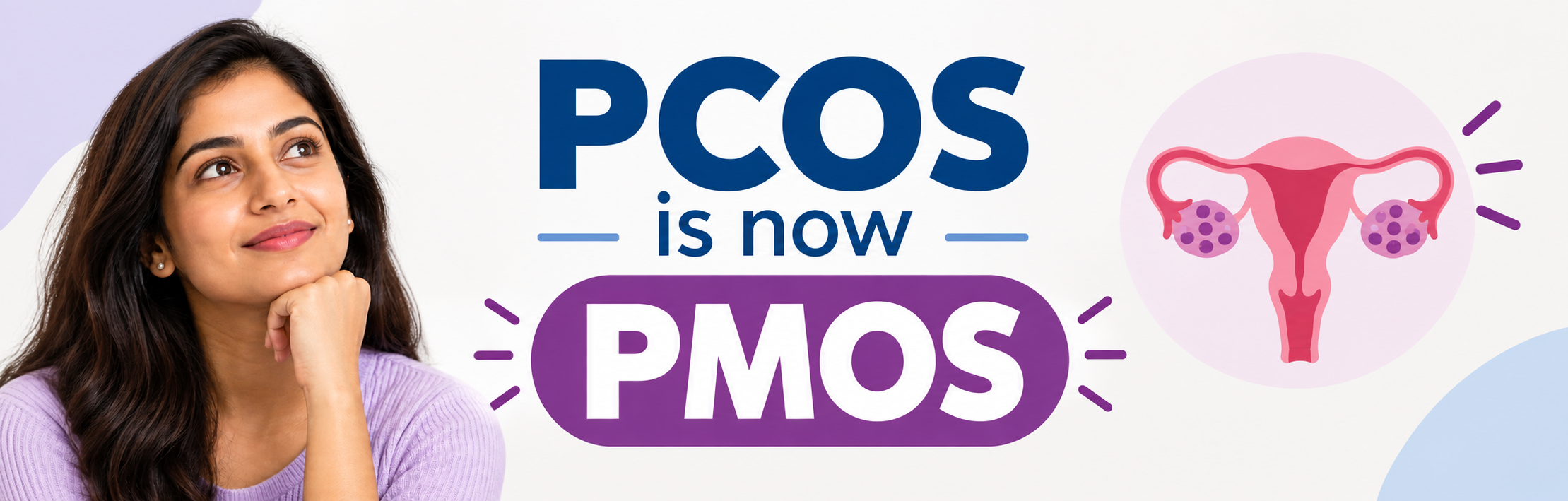
During PMOS Awareness Month 2026, I think these are conversations worth having more openly. PCOS has now been given a new name, Polyendocrine Metabolic Ovarian Syndrome, or PMOS, because the older name did not fully describe the condition we see in our patients.
Why Is PCOS Now Called PMOS?
For years, the word “polycystic” has created confusion. Many women hear it and immediately think they have cysts in their ovaries that need to be removed, when the small follicles sometimes seen on an ultrasound are not the same thing as dangerous ovarian cysts.
More importantly, the old name can make the condition sound as though it is only an ovarian problem. In reality, hormonal changes, insulin resistance, metabolism, menstrual cycles and fertility can all be part of the picture.
The change to Polyendocrine Metabolic Ovarian Syndrome gives us a broader way of looking at the condition. It reminds doctors to look beyond the ovaries and helps women understand why it can affect different aspects of their health.
What Are the Symptoms?
The way it presents can be very different from one woman to another. One patient may have irregular periods, another may struggle with acne or facial hair, while someone else may come to the clinic because she has been trying to conceive.
These PMOS symptoms should therefore not be reduced to one checklist. Irregular or absent periods, problems with ovulation, increased facial or body hair, acne, scalp hair thinning and changes in weight can occur, but a woman does not necessarily have all of them.
One symptom that deserves much more sensitivity is facial hair. I have seen young women quietly explain that they have coarse hair on their chin or upper lip and have been waxing, threading or using other methods to remove it for years without discussing why it is happening.
There is nothing embarrassing about this. Excess facial or body hair, known as hirsutism, can be related to increased androgen activity and is a medical symptom, not something a woman should feel ashamed of.
What Causes PMOS?
When a patient asks me, “Why did this happen to me?” I wish there were one straightforward answer.
There isn’t.
The PMOS causes are complex and can involve genetics, hormonal pathways and metabolic factors. Family history can influence risk, while insulin resistance is an important part of the picture for many women.
This is also why two women with the same diagnosis can look completely different. One may be overweight and have significant metabolic concerns, while another may have a normal body weight and still have irregular periods or other hormonal symptoms.
We should never decide whether someone has this condition simply by looking at her weight.
PMOS and Insulin Resistance
The relationship between PMOS and insulin resistance deserves particular attention because it takes the conversation beyond periods and fertility.
Insulin helps the body use glucose for energy. When the body becomes less responsive to insulin, it may produce more insulin to compensate, and higher insulin levels can interact with the hormonal pathways involved in the condition.
For some women, this can contribute to difficulties with ovulation and other hormonal symptoms. Over time, insulin resistance can also be associated with abnormal blood sugar and an increased risk of type 2 diabetes and other metabolic problems.
This is one reason I do not like reducing the advice to, “Just lose weight.” A woman’s health cannot be reduced to the number on a weighing scale.
PMOS and Hormonal Imbalance
Hormonal changes are another important part of the picture. Androgen activity, insulin levels and the hormones involved in ovulation can interact with one another and contribute to irregular periods, acne, excess hair growth and difficulty with ovulation.
When women hear PMOS and hormonal imbalance, they sometimes expect one hormone to be either too high or too low. In reality, it is often the relationship between different hormonal and metabolic pathways that matters.
Understanding this helps us decide what actually needs to be investigated and treated instead of trying to correct one laboratory value in isolation.
What Does It Mean for Fertility?
For many women, this is the question they are most afraid to ask.
I have met women who were told they had PCOS and immediately assumed they would not be able to have children. That is not what this diagnosis means.
Some women have difficulty conceiving because they do not ovulate regularly. But difficulty with ovulation is not the same as permanent infertility, and many women with this condition conceive naturally or with appropriate medical support.
The important thing is not to wait until fertility becomes an urgent concern. If you’ve had irregular periods for years and want to have children someday, it could be helpful to talk to your provider early on about your reproductive health.
In India, these conversations can be difficult. Women often face considerable family pressure around marriage and pregnancy. A medical diagnosis should not become another source of fear or pressure.
How Is PMOS Diagnosed?
There is no single blood test that simply confirms PMOS diagnosis.
Doctors look at the complete clinical picture, including menstrual history, symptoms, signs of androgen excess, hormonal tests and metabolic health. An ultrasound may be useful in some women, but seeing multiple follicles on an ultrasound by itself does not establish the diagnosis.
Other conditions that may trigger irregular periods or similar symptoms should also be considered. This is why self-diagnosing from an online symptom list can sometimes create more confusion than clarity.
What Is the Treatment?
There is no single PMOS treatment that is right for every woman.
Treatment depends on what she needs at that stage of her life. Someone mainly concerned about irregular periods may have different priorities from a woman dealing with metabolic problems, while someone planning a pregnancy may need an entirely different approach.
Depending on the individual situation, treatment can include lifestyle changes, medicines to regulate menstrual cycles, treatment for metabolic or hormonal concerns and fertility treatment when required. The aim is not simply to make one symptom disappear, but to look at the woman’s health as a whole.
Diet and Lifestyle Matter
Diet is an important part of PMOS management, particularly when insulin resistance or metabolic concerns are present. But women do not need to follow extreme diets or completely remove carbohydrates simply because they have been diagnosed with this condition.
For an Indian woman, healthy eating does not have to mean giving up the food she grew up eating. Vegetables, dals, pulses, beans, whole grains, nuts, seeds, curd and other nutritious protein sources can all be part of a balanced diet.
The focus should be on sensible portions, adequate protein and fibre, limiting excessive highly processed foods and sugary drinks, and staying physically active. Walking, strength training, cycling, swimming or any activity that can be maintained consistently can be useful.
Most importantly, lifestyle changes should not become punishment. A woman should not feel that her condition happened because she “ate badly” or “did not exercise enough.”
Why Early Diagnosis Matters
One of the reasons I welcome the change in terminology is that it encourages us to think beyond the next menstrual cycle.
A young woman may initially come because her periods are irregular, but our responsibility is to think about her health several years from now as well. Depending on her individual risk factors, that may mean paying attention to blood sugar, cholesterol, blood pressure, weight, sleep, mental health and reproductive plans.
The priorities can also change throughout life. A teenager may need help understanding her periods and body changes, a young woman may be thinking about fertility, while another woman may be more concerned about metabolic health as she gets older.
That is why this should be seen as a long-term health conversation rather than a problem that starts and ends with getting the periods regular.
It Is Time to Remove the Shame
Perhaps the biggest change we need is not a medical one, but a social one.
I have seen women become uncomfortable when talking about facial hair. I have seen others blame themselves for their weight or feel that difficulty conceiving means they have somehow failed.
They have not.
Unwanted facial hair is not something to be ashamed of. Irregular periods are not a woman’s fault, and needing medical help to become pregnant does not make her any less of a woman.
The change from PCOS to Polyendocrine Metabolic Ovarian Syndrome gives us an opportunity to change the conversation as well. It reminds us that this is not simply about ovaries, periods or appearance; it is about understanding a woman’s hormonal, metabolic and reproductive health across different stages of her life.
If your periods have been irregular for a long time, if you are struggling with unwanted facial hair or acne, if you are finding it difficult to manage your weight, or if you have concerns about fertility, do not quietly live with it because you feel embarrassed.
Talk to a doctor, ask questions and understand what is happening in your body. Early PMOS diagnosis and appropriate PMOS management can help address current concerns while also protecting long-term health.