Can Cancer Return After Surgery? Understanding Cancer Recurrence
Over the years, one question that I have heard from many cancer patients after completing treatment is, “Doctor, can cancer come back?”
I understand why this question stays with them. A cancer diagnosis changes a person’s life completely. The days are filled with scans, reports, surgery, treatment decisions and uncertainty. When treatment is finally completed and the reports are clear, families feel they can finally breathe again.
I remember a patient who had completed surgery and the required additional treatment. The follow-up reports were reassuring, and slowly life started coming back to normal. The family was making plans again, something they had stopped doing during the difficult months of treatment.
But after some time, during a routine follow-up, a few findings needed further evaluation. After additional tests, we realised that the cancer had returned.
The family was understandably shocked. The question they asked was not unusual: “Doctor, if the cancer was removed, how did it come back?”
This is one of the hardest parts of cancer care to explain because cancer is not always as simple as removing a tumour and closing that chapter forever.
Why Can Cancer Come Back After Surgery?
Surgery plays a very important role in treating many cancers. When a cancer is detected early and is confined to one area, removing the tumour completely can offer the best chance of cure.
During surgery, we remove the visible cancer along with surrounding tissues, and in many cancers, nearby lymph nodes are also examined to understand the extent of disease.
But cancer cells can be extremely small.
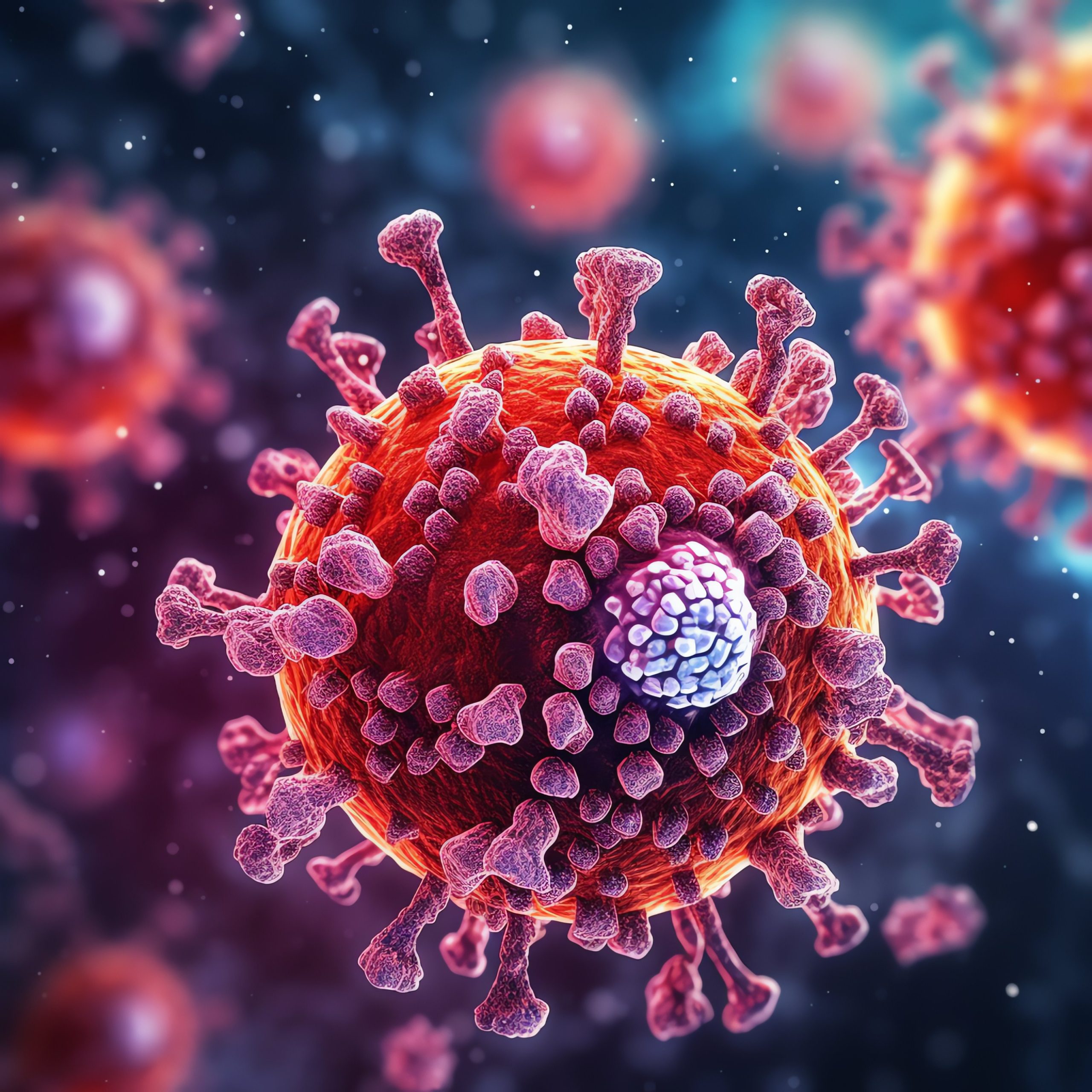
Sometimes, before a patient even knows they have cancer, a few microscopic cells may have moved away from the original tumour. These cells may not be visible on scans or detectable through available tests.
In some people, these cells may never cause a problem. In others, after months or years, they may begin growing again. This is what we call cancer recurrence.
A recurrence does not always mean someone made a mistake. It does not mean the surgery was unsuccessful. It means we are dealing with a disease that has complex biology.
Why Do Patients Need Chemotherapy or Radiation After Surgery?
A question I frequently hear after surgery is, “Doctor, you removed the cancer. Why do I still need chemotherapy?”
It is a very valid question.
The reason is that cancer treatment is not only about treating what we can see. It is also about reducing the possibility of what we cannot see.
Depending on the cancer type, stage and risk factors, some patients may need additional treatment after surgery. This may include chemotherapy, radiation therapy, hormonal treatment, targeted medicines or immunotherapy.
For example, medications from chemotherapy can travel through the bloodstream and help destroy cancer cells that may have escaped from the original site.
In addition, Radiation therapy may be advised when there is a higher risk of cancer cells remaining in a particular area.
These treatments are not a sign that surgery has failed. They are an effort to give the patient the best possible chance of long-term cancer control.
What Does Remission Mean After Cancer Treatment?
There is a special moment in every oncologist’s journey when we tell a patient that their reports are clear.
I have seen the relief on patients’ faces after hearing that there is no evidence of disease. For many families, that report represents the end of a very difficult chapter.
Patients often ask, “Doctor, does this mean the cancer is completely gone?”
We use the word remission when there is no detectable evidence of cancer with the tests currently available.
Remission is a positive milestone, but it does not mean that follow-up is no longer needed. Medicine has advanced tremendously, but we still cannot detect every single cancer cell that may exist in the body.
Regular follow-up is not because we are waiting for bad news. It is because we want to continue supporting the patient and identify any changes early.
What Are the Signs Cancer Has Returned?
Many cancer survivors live with a fear that every new symptom may mean the cancer has returned.
A small pain, tiredness or a cough can sometimes bring back memories of the original diagnosis.
I always tell patients not to ignore persistent changes, but also not to live in fear of every symptom. Many health problems after cancer treatment are unrelated to recurrence.
However, some signs should be discussed with a doctor. These may include unexplained weight loss, persistent pain, a new lump or swelling, prolonged cough, unusual tiredness or changes in normal body functions.
The important thing is not to panic. It is to pay attention when something does not feel normal or does not improve over time.
Is Cancer Coming Back Someone’s Fault?
This is perhaps the most painful question patients and families ask.
“Could we have done something differently?”
“Was something missed?”
Cancer biology is complicated. Doctors make treatment decisions based on everything we know at that time, including scans, pathology reports, tumour characteristics, genetic information and how the cancer responds to treatment.
We use the best available science to give every patient the strongest possible chance.
But despite the right surgery, appropriate treatment and careful monitoring, cancer can sometimes return.
It is not always because the patient did something wrong. It is not always because the doctor missed something.
Sometimes, the behaviour of cancer cells is beyond what we can predict. There is an element of uncertainty in cancer that comes from the complexity of human biology itself.
Our responsibility is to control what we can, continue improving treatments and stand with patients through every stage of their journey.
When Cancer Returns, There Is Still Hope
The word “recurrence” can feel frightening. Many patients think they are back at the beginning.
But that is not always true.
Cancer treatment has changed significantly over the years. Today, patients with recurrent cancer may have treatment options including targeted therapies, immunotherapy, advanced radiation techniques and personalised approaches depending on their individual situation.
The right treatment depends on where the cancer has returned, the type of cancer, previous treatments and the patient’s overall health.
I have seen patients come to my clinic after recurrence feeling completely defeated. I have also seen those same patients regain confidence once they understood that there were still options and a path forward.
Life After Cancer Treatment
Cancer survivorship is about much more than reports and scans. It is about returning to family, work, celebrations and the small moments that make life meaningful.
Follow-up visits help us monitor health, manage long-term effects of treatment and provide reassurance when patients need it.
A cancer diagnosis changes a person’s life, but it does not have to take away their hope for the future.
The goal of cancer care is not only to treat cancer. It is to help people live their lives with confidence after cancer.
Dr. Mohana Vamsy