
The Rise of Colon Cancer in Adults Under 50: Why Early Diagnosis Matters More Than Ever
The biggest problem with colon cancer in young adults isn’t always the disease itself, it’s the delay in diagnosis.
Because many younger people don’t consider themselves at risk, symptoms are often ignored or misattributed to less serious conditions such as hemorrhoids, stress, irritable bowel syndrome (IBS), or dietary issues. Unfortunately, this can allow cancer to progress before it is detected.
For decades, colorectal cancer was viewed as a disease that primarily affected older adults. However, healthcare professionals around the world are now witnessing a concerning trend: a growing number of cases of colon cancer in young adults. As a result, awareness, timely evaluation of symptoms, and appropriate screening have become increasingly important.
Understanding the warning signs and risk factors can help individuals seek medical attention sooner, potentially leading to earlier diagnosis and better treatment outcomes.
Understanding Early-Onset Colorectal Cancer
When colorectal cancer develops in individuals younger than 50 years of age, it is referred to as early-onset colorectal cancer.
Colorectal cancer begins in the colon or rectum, often developing from abnormal growths known as polyps. Over time, some polyps may become cancerous if they are not detected and removed.
While researchers continue to investigate the reasons behind the rising colon cancer rates, several lifestyle, environmental, and genetic factors are believed to contribute to this increase.
The growing incidence of colon cancer under 50 serves as an important reminder that age alone should not determine who pays attention to cancer symptoms.
Why Are Colon Cancer Rates Rising in Younger Adults?
Although there is no single explanation for the increase in cases, experts believe several factors may be involved.
Potential contributors include:
· Obesity and excess body weight
· Sedentary lifestyles
· Diets high in processed and red meats
· Low fiber intake
· Smoking and tobacco use
· Excessive alcohol consumption
· Changes in gut microbiome health
· Family history of colorectal cancer
· Inherited genetic conditions
While more research is ongoing, these factors are considered important colorectal cancer risk factors that may increase the likelihood of developing the disease at a younger age.
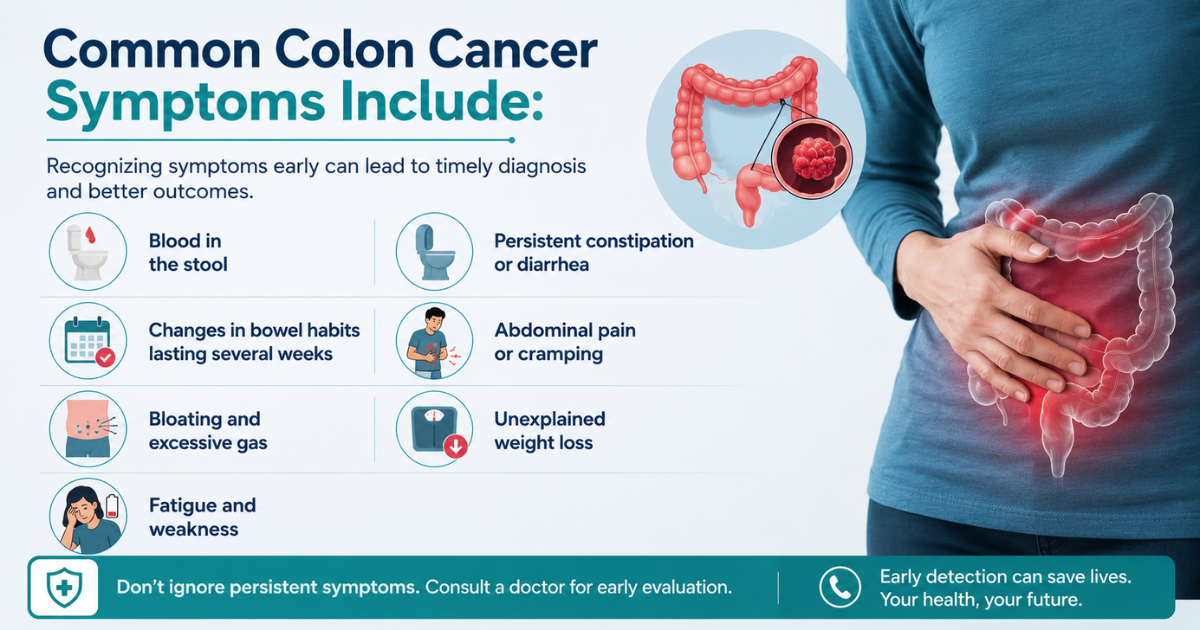
Colon Cancer Symptoms Young Adults Should Never Ignore
One of the reasons young adults with colon cancer are often diagnosed later is that early symptoms can be subtle and easily dismissed.
Who Is at Risk?
Although anyone can develop colorectal cancer, certain individuals may face a higher risk.
| Family History | A family history of colorectal cancer or advanced polyps increases the likelihood of developing the disease. |
|---|---|
| Genetic Conditions | Inherited syndromes such as Lynch syndrome and familial adenomatous polyposis (FAP) significantly elevate cancer risk. |
| Obesity | Studies have shown that excess body weight may increase the risk of developing colorectal cancer. |
| Lifestyle Factors | Poor dietary habits, physical inactivity, smoking, and excessive alcohol consumption can contribute to colorectal cancer development. |
| Inflammatory Bowel Disease | Individuals with Crohn’s disease or ulcerative colitis may have a greater long-term risk. |
Understanding these colorectal cancer risk factors can help individuals make informed decisions about their health and screening needs.
When Should You See a Doctor?
Many younger adults wait months or even years, before seeking medical attention for digestive symptoms.
It is important to consult a healthcare professional if you experience:
· Rectal bleeding
· Persistent abdominal discomfort
· Ongoing changes in bowel habits
· Unexplained weight loss
· Persistent fatigue
· A family history of colorectal cancer
Early evaluation can help identify the underlying cause and ensure that serious conditions are not overlooked.
Diagnosis and Colon Cancer Screening
Early diagnosis plays a critical role in improving outcomes.
| Colonoscopy | A colonoscopy remains the gold standard for detecting colorectal cancer and precancerous polyps. During the procedure, doctors can directly examine the colon and remove suspicious growths when necessary. |
|---|---|
| Stool-Based Testing | Certain stool tests can identify hidden blood or abnormal DNA changes associated with colorectal cancer. |
| Imaging Studies | CT scans, MRI scans, and PET scans may be used to determine the extent of disease if cancer is detected. |
| Biopsy | A biopsy provides definitive confirmation by examining tissue samples under a microscope. |
Updated Screening Recommendations
Due to the increasing incidence of colon cancer under 50, many medical organizations now recommend routine colon cancer screening beginning at age 45 for average-risk individuals. Those with a strong family history or other risk factors may require earlier screening.
Treatment Options for Colon Cancer
Treatment depends on the stage of cancer and the patient’s overall health.
Common treatment options include:
Surgery
Surgery is often the primary treatment for localized colon cancer and may involve removing the affected section of the colon.
Chemotherapy
Chemotherapy may be recommended before or after surgery, or for advanced-stage disease.
Targeted Therapy
Certain treatments specifically target cancer-related molecular pathways and may be suitable for selected patients.
Immunotherapy
Some colorectal cancers respond to immunotherapy, which helps the body’s immune system recognize and attack cancer cells.
Multidisciplinary Cancer Care
Successful treatment often requires collaboration among surgical oncologists, medical oncologists, gastroenterologists, radiologists, pathologists, nutritionists, and supportive care specialists.
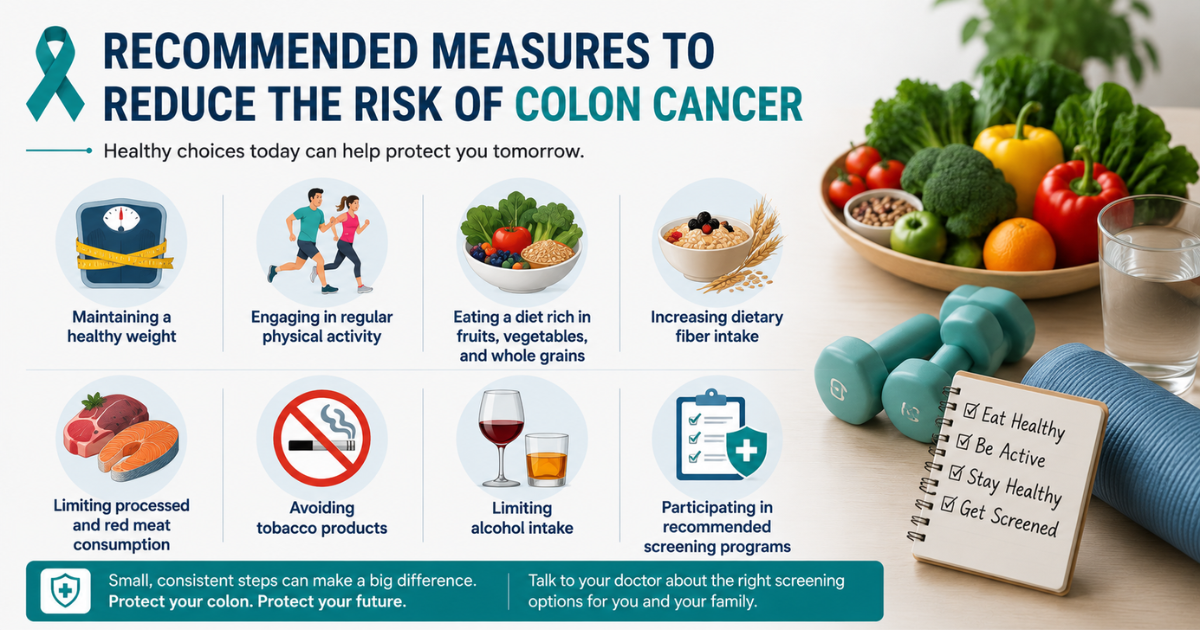
Can Colon Cancer Be Prevented?
Although not all cases are preventable, adopting healthy lifestyle habits may help reduce risk.
Why Early Detection Matters
The growing number of cases of colorectal cancer in young adults highlights the importance of recognizing symptoms early and seeking timely medical attention.
When colorectal cancer is detected at an early stage, treatment is often more effective and outcomes are generally more favorable. Unfortunately, delayed diagnosis remains one of the biggest challenges in younger patients because symptoms are frequently overlooked or attributed to less serious conditions.
Awareness, timely evaluation, and appropriate colon cancer screening can make a significant difference.
Comprehensive Colorectal Cancer Care at Omega Hospitals
At Omega Hospitals, colorectal cancer care focuses on early diagnosis, accurate staging, personalized treatment planning, and long-term patient support. Through advanced diagnostic technologies, evidence-based treatment approaches, and multidisciplinary cancer care, patients receive comprehensive management tailored to their individual needs.
A team of experienced specialists—including gastroenterologists, surgical oncologists, medical oncologists, radiation oncologists, radiologists, and pathologists—works together to ensure coordinated care at every stage of diagnosis and treatment.
Conclusion
The rise in colon cancer in young adults is a growing health concern that should not be ignored. While colorectal cancer was once considered a disease of older age, increasing numbers of younger individuals are being diagnosed, often after symptoms have been present for months.
Recognizing colon cancer symptoms, understanding personal risk factors, and seeking medical attention promptly can help improve outcomes. If you experience persistent digestive symptoms or have concerns about your risk, consult a healthcare professional. Early detection remains one of the most effective tools in the fight against colorectal cancer.