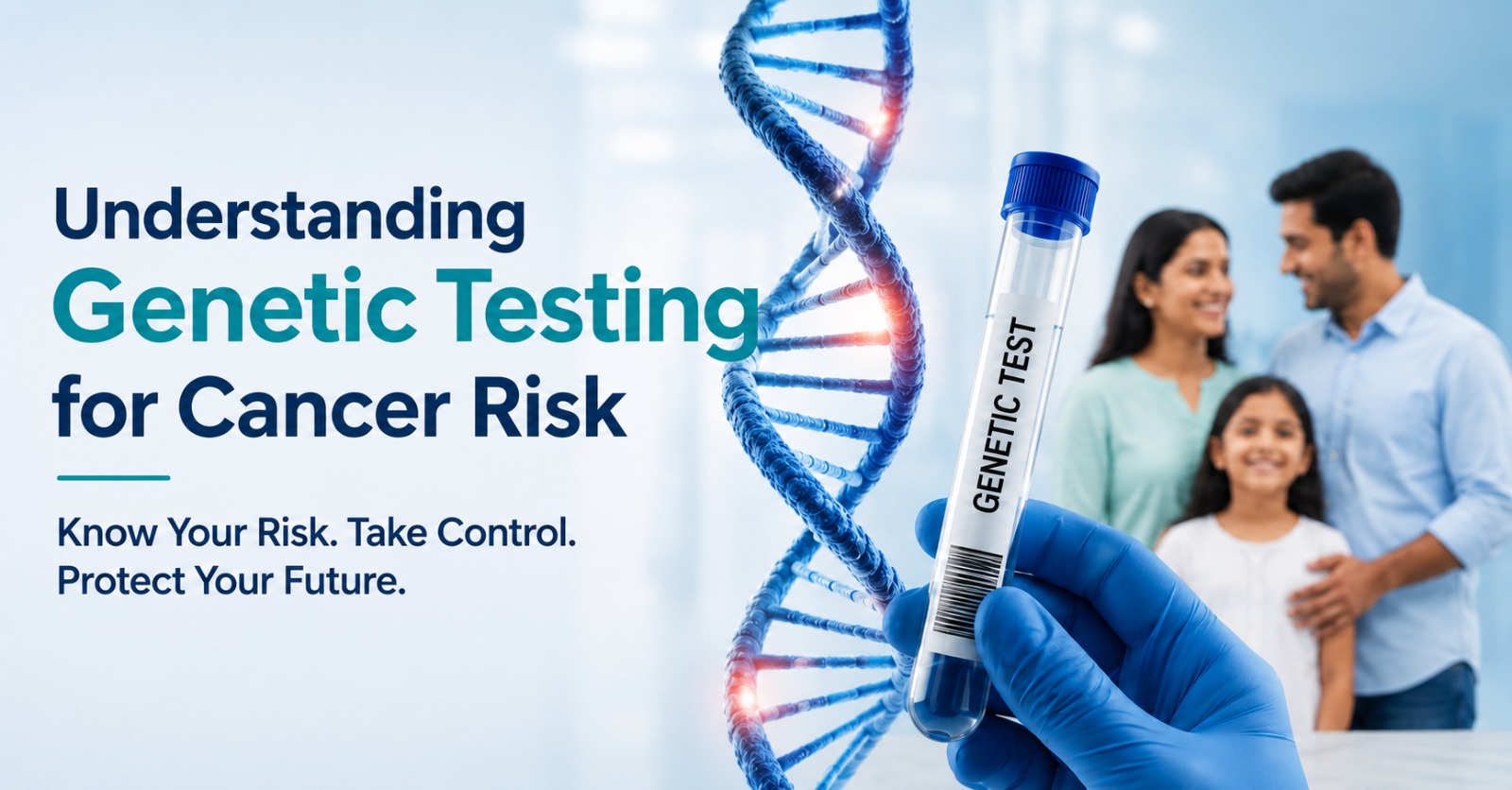
Understanding Genetic Testing for Cancer Risk: Who Should Consider It?
Your mother had breast cancer. Your aunt had ovarian cancer. Does that mean you’re next?
It’s a question that worries many people with a family history of cancer. While having relatives with cancer doesn’t guarantee you’ll develop the disease, it can sometimes indicate an inherited genetic risk. Today, advances in genetic testing for cancer risk are helping individuals understand whether they carry genetic mutations that may increase their chances of developing certain cancers and what steps they can take to protect their health.
What Is Genetic Testing for Cancer Risk?
Genetic testing for cancer risk involves analyzing a person’s DNA to identify inherited genetic mutations that may increase the likelihood of developing specific cancers. These tests look for changes in genes that normally help control cell growth and repair DNA damage.
Certain inherited mutations, such as those found in the BRCA1 and BRCA2 genes, are associated with a higher risk of breast, ovarian, prostate, and other cancers. Hereditary cancer testing helps determine whether an individual carries such mutations and whether family members may also be at risk.
It is important to understand that carrying a genetic mutation does not mean a person will definitely develop cancer. Instead, it indicates an increased risk compared to the general population.
Understanding Inherited Cancer Risk
Most cancers are not inherited. However, approximately 5–10% of cancers are linked to inherited genetic mutations passed down through families.
Factors that may suggest an inherited cancer risk include:
- Multiple family members diagnosed with the same or related cancers
- Cancer occurring at an unusually young age
- Individuals diagnosed with more than one type of cancer
- Rare cancers occurring within a family
- Known genetic mutations in close relatives
A comprehensive cancer risk assessment performed by healthcare professionals can help determine whether genetic testing is appropriate.
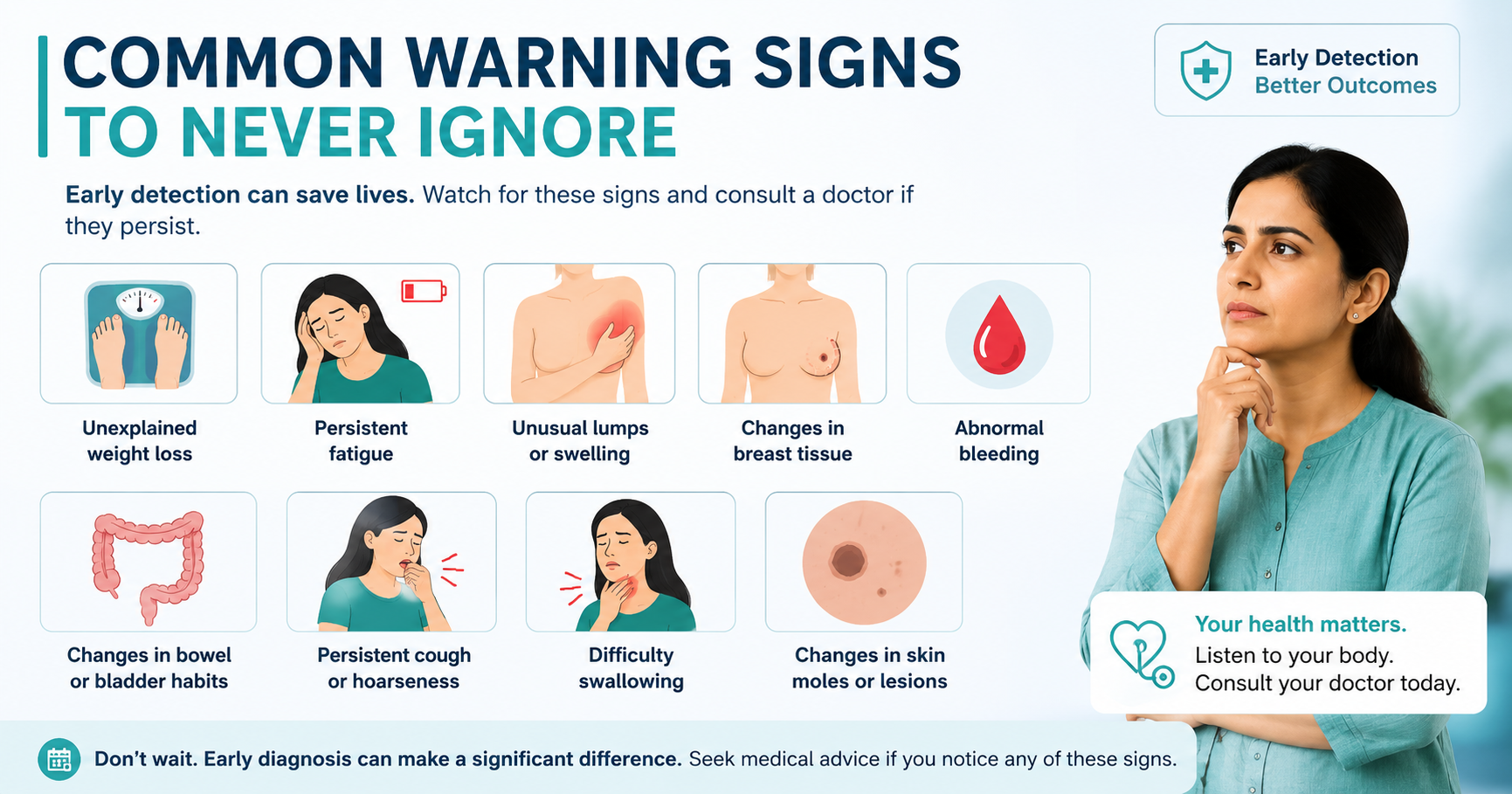
Symptoms Patients Should Watch For
Genetic mutations themselves do not cause symptoms. However, individuals with a hereditary predisposition should be vigilant about signs and symptoms associated with specific cancers.
Risk Factors for Hereditary Cancer
Certain factors increase the likelihood that a person may benefit from genetic screening for cancer:
When Should You See a Doctor?
Consult a healthcare provider or genetic counselor if you:
- Have a strong family history of cancer
- Have relatives diagnosed with cancer at a young age
- Have multiple family members with similar cancers
- Have been diagnosed with cancer and want to understand hereditary factors
- Have concerns about your family’s cancer history
A detailed evaluation can help determine whether hereditary cancer testing is appropriate and beneficial.
How Is Cancer Genetic Testing Performed?
The process is generally straightforward and minimally invasive.
Interpretation of Results
Results may indicate:
- A positive result showing a known cancer-related mutation
- A negative result showing no identified mutation
- A variant of uncertain significance, where the impact of a genetic change is not yet fully understood
Healthcare providers help patients understand the implications and next steps.
Diagnosis, Screening, and Monitoring
For individuals identified as having increased cancer risk, healthcare teams may recommend enhanced surveillance and preventive strategies.
Depending on the specific genetic findings, recommendations may include:
- Earlier and more frequent cancer screenings
- Mammograms and breast MRI scans
- Colonoscopy screenings at younger ages
- Prostate cancer screening
- Ovarian cancer surveillance
- Imaging studies and laboratory testing when appropriate
Personalized screening plans can improve the likelihood of detecting cancer at an earlier and more treatable stage.
Treatment Options and Personalized Cancer Care
Genetic information can influence treatment decisions for patients who have already been diagnosed with cancer.
Advances in cancer genetics have enabled healthcare providers to develop more individualized treatment approaches. Certain targeted therapies may be more effective in patients with specific genetic mutations.
Treatment options may include:
- Surgery
- Chemotherapy
- Radiation therapy
- Targeted therapy
- Immunotherapy
- Precision medicine approaches based on genetic findings
A multidisciplinary team involving medical oncologists, surgical oncologists, radiation oncologists, genetic counselors, and other specialists can help create a personalized treatment plan tailored to each patient’s needs.
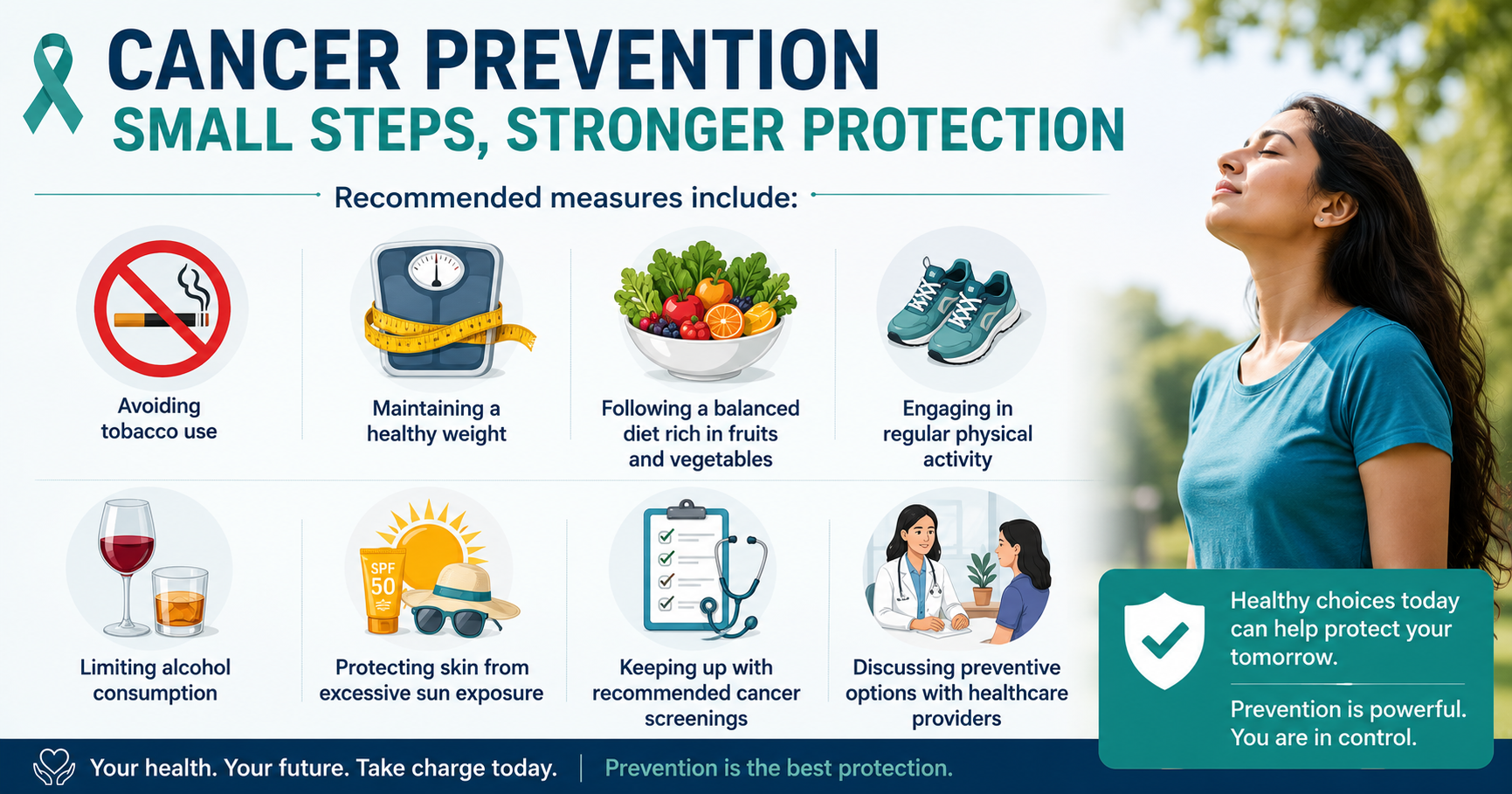
Prevention and Lifestyle Measures
While inherited genetic factors cannot be changed, healthy lifestyle choices can support overall cancer prevention and early detection efforts.
Why Early Detection Matters
One of the most important benefits of genetic testing for cancer risk is the opportunity for early intervention. Identifying a hereditary predisposition allows individuals and healthcare providers to take proactive steps before cancer develops or to detect it at an earlier stage.
Early detection often leads to:
- More treatment options
- Improved treatment outcomes
- Better quality of life
- Reduced cancer-related complications
Understanding personal and family cancer risk empowers individuals to make informed decisions about their health and future care.
Conclusion
While inherited genetic mutations cannot always be prevented, understanding your genetic risk can be a powerful step toward protecting your health. Genetic testing for cancer risk helps identify individuals who may benefit from earlier screening, closer monitoring, and personalized prevention strategies. The sooner a potential risk is recognized, the greater the opportunity to take proactive measures and improve long-term outcomes.
At Omega Hospitals, we believe that cancer care begins long before treatment. Through comprehensive cancer risk assessment, genetic counseling, advanced diagnostics, and multidisciplinary oncology expertise, we help individuals and families make informed decisions about their health. Whether you have a strong family history of cancer or simply want to better understand your risk, our specialists are committed to providing personalized guidance and evidence-based care at every step.
If you have concerns about your family history or inherited cancer risk, consult our healthcare professional. Early awareness today can help create a healthier tomorrow.